What is acrylic paint? Key characteristics
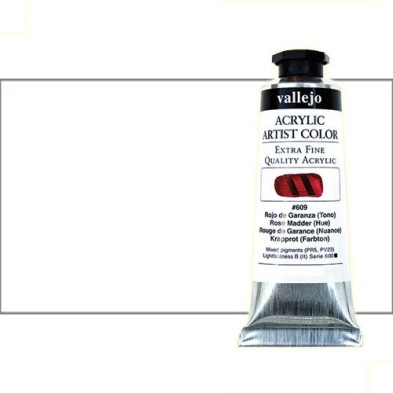
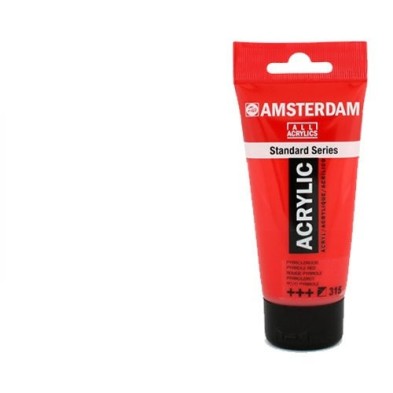
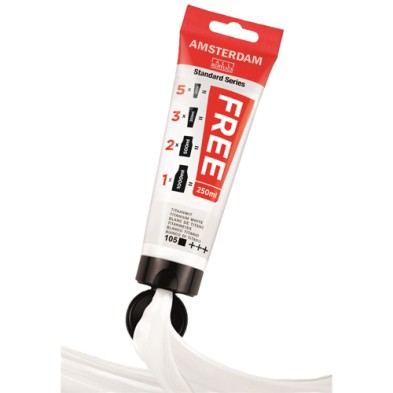
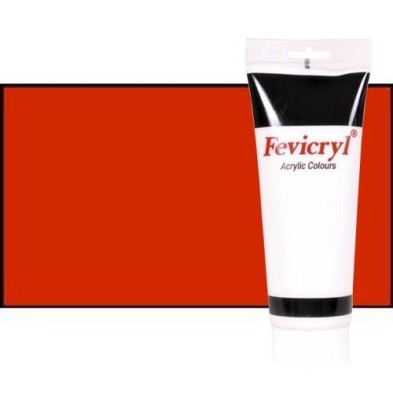
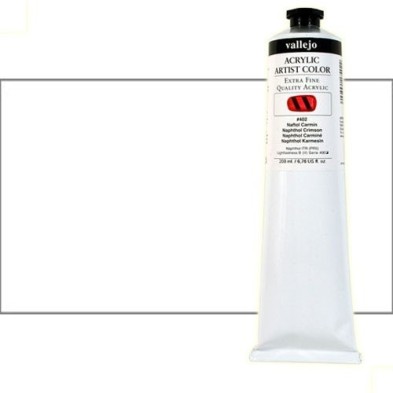
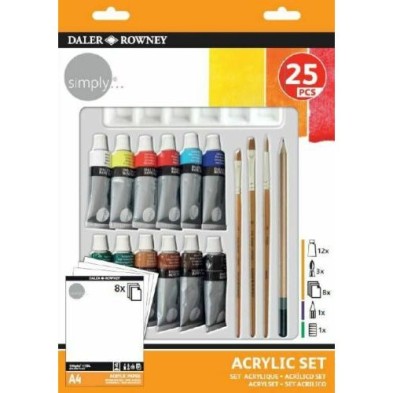
Acrylic paint is a water-based colour formulated with acrylic resins that, once dry, forms a flexible, durable and resistant film. It's one of the most versatile techniques thanks to its fast drying time and the ability to work from thin washes to thick impasto layers. At Totenart you'll find well-known ranges such as Amsterdam, Vallejo, Winsor & Newton and Liquitex, suited to different skill levels.
- Fast drying: within minutes, depending on the layer.
- Water-resistant once dry: it won't soften again.
- Various finishes: matte, satin or gloss.
- Vivid, permanent colours: usually with strong lightfastness in professional ranges such as Sennelier Abstract or Liquitex Heavy Body.
Types of acrylic paint and their main uses
- Heavy Body (high viscosity) – Example: Liquitex Heavy Body. Holds brush or palette-knife marks and is ideal for impasto.
- Soft Body / Fluid – Like Amsterdam. Levels out better and is perfect for glazing, fine detail and thin layers.
- Acrylic inks – Ranges such as Liquitex Acrylic Ink or Amsterdam acrylic inks. Highly pigmented and liquid, suited to airbrushing, calligraphy or mixed media.
- Slow-drying acrylic – With retarders such as Liquitex Slow-Dri, giving more working time for smooth blends.
- Acrylic gouache – Opaque and matte, widely used in illustration and design.
Recommended surfaces for acrylic painting
- Primed canvases – Ready to use, such as Totenart or Art Creation canvases.
- Special acrylic paper – Example: Canson Acrylic, 400 gsm, which holds up to water and dense layers.
- Wood and cardboard – Need sealing and an acrylic primer first.
- Fabric or clothing – Using a textile medium to fix the colours.
- Plastic or metal – Require a specific primer before applying acrylic.
Most-used acrylic painting mediums
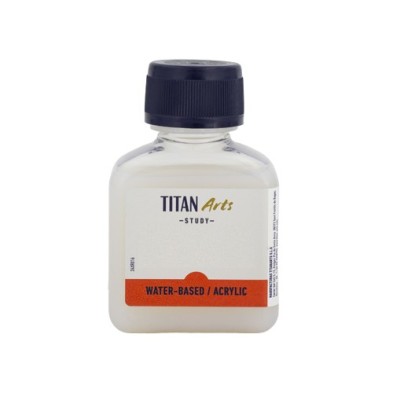
- Gel medium – Available in gloss, matte or satin, to add body or transparency to colour.
- Modelling paste – Such as Amsterdam Modelling Paste, for creating relief and texture.
- Drying retarder – Liquitex Slow-Dri, extends working time.
- Pouring medium – Example: Vallejo Pouring Medium, perfect for fluid pouring techniques.
- Gloss medium – Used as an isolation coat before the final varnish.
How to paint with acrylics: step-by-step guide
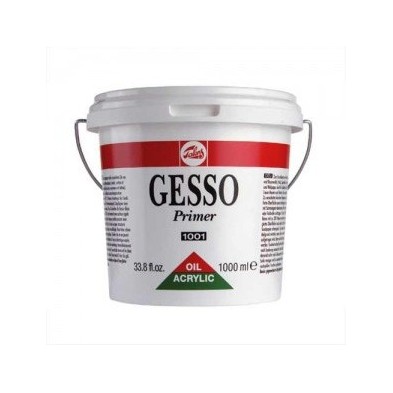
- Prepare the surface: apply gesso or primer if needed.
- Set up your palette: use a stay-wet palette to keep paint workable, or whichever palette you prefer.
- Paint in layers: start with general colours and move on to detail.
- Experiment with techniques: from thin washes to palette-knife impasto.
- Protect the piece: let it dry completely before varnishing.
Pouring and fluid art with acrylics: how to get started
Pouring (or fluid art) means mixing acrylic paint with a pouring medium, such as Vallejo Pouring Medium, until it reaches a consistency similar to liquid cream or yoghurt, and letting it flow across the surface instead of applying it with a brush. It's the technique that has grown the most among hobbyists in recent years, precisely because the result depends more on how fluid the mix is than on brush skill.
- Rough ratio: between 1 and 2 parts medium for every part of paint, until the mixture forms a continuous ribbon when you lift the stirring stick (if it breaks into drops, it's still too thick). The exact ratio varies by medium and paint brand, so it's worth doing a small test first.
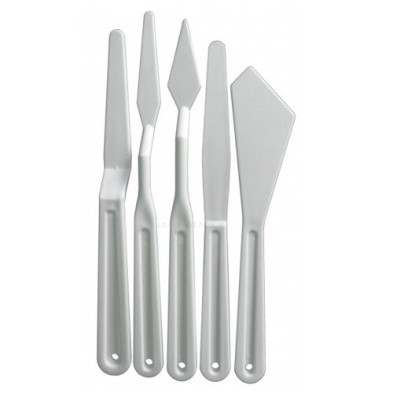
- Basic techniques: the dirty pour (pouring several colours into one cup and flipping it all at once onto the canvas), the swipe (dragging a layer of colour with a palette knife or cloth) and the string pull (dragging paint-soaked strings across the surface) are the three most common starting points.
- Cells and texture: adding a few drops of silicone oil (or isopropyl alcohol) between colour layers creates the characteristic "cells" when gentle heat is applied with a torch or hairdryer; it's worth testing the amount, since too much can stop the paint from bonding properly to the surface.
- Support and drying: use canvases on a sturdy stretcher or a panel, and level them well before pouring — the paint keeps moving while it's still liquid. Let it dry flat and away from draughts for 24 to 72 hours before moving the piece, and apply a final varnish once fully dry, since pouring surfaces tend to stay more sensitive to touch and dust than a regular brushed layer.
How to mix colours with acrylic paint: a basic palette
You don't need thirty colours to get started. A small, well-chosen palette can mix almost any tone:
- Minimal palette: one yellow, one red, one blue, white (titanium) and an earth tone (burnt sienna or ochre). These five tubes alone cover most everyday mixes.
- Extended palette: doubling each primary into a warm and cool version (for example, lemon yellow and cadmium yellow, carmine red and cadmium red, phthalo blue and ultramarine blue) gives much more control over how saturated your mixes are.
- Livelier darks: mixing a colour with its complementary (red + green, or blue + orange, for example) usually gives richer, less flat shadows than using black straight from the tube.
- Mind the "colour shift": acrylic paint darkens slightly as it dries, because the polymer goes from milky white while wet to clear once dry. If you need to match an already-dry tone, give yourself some margin and always test the mix on an offcut of the same surface before applying it to the piece.
Cleaning brushes and tools after acrylic painting
- While wet: warm water and mild soap. Soft or bristle brushes clean up easily.
- Once dry: specific cleaners such as Vallejo's.
- Tip: never let paint dry inside the ferrule of the brush.
Varnishing and protecting acrylic paintings
- Acrylic varnishes: gloss, satin or matte.
- When to apply: wait until fully dry (several days if there's heavy impasto).
- Isolation: using a gloss medium before a removable varnish helps protect the paint layer.
Student vs. Artist acrylic paint: what's the difference
| Aspect |
Student (e.g. Amsterdam Standard, Vallejo Studio) |
Artist/Pro (e.g. Liquitex Heavy Body, Sennelier Abstract) |
| Pigmentation |
Medium; some colours use hue substitutes |
High, pure and permanent pigments |
| Lightfastness |
Good, but not always maximum |
Very high (museum quality) |
| Price |
Affordable and budget-friendly |
Higher cost, better results |
Common acrylic painting mistakes and how to avoid them
- Using too much water: use a medium to thin paint instead.
- Not waiting for each layer to dry fully: it can lift the paint underneath.
- Varnishing too soon: wait for full curing first.
- Leaving brushes uncleaned: this shortens their lifespan.
Frequently asked questions about acrylic paint
Does acrylic paint wash off with water?
Only while wet: freshly applied acrylic thins and cleans up with water. Once dry, within a few minutes, it forms a permanent, water-insoluble film, so it can no longer be diluted or removed from the surface with water.
What surfaces can you paint on with acrylics?
Canvas, paper of at least 300 gsm (such as Canson Acrylic), wood, cardboard and fabric. It can also be applied to metal or plastic, but a specific primer should be used first so the acrylic bonds properly.
What's the difference between acrylic paint and oil paint?
Acrylic dries within minutes and cleans up with water; oil takes days or weeks to dry and needs solvents such as white spirit. Acrylic forms a more flexible film, while oil allows for slower, richer glazing and blending.
What varnish should I use on acrylic paintings?
It depends on the finish you want: gloss varnish to enhance colour intensity, matte to reduce glare, or satin as a middle ground. Always apply it once the paint is fully dry, waiting a few extra days if you've used heavy impasto.
Which acrylic brands do you recommend by skill level?
To get started, Amsterdam Standard or Vallejo Studio offer good quality at an accessible price. For an advanced or professional level, Liquitex Heavy Body or Sennelier Abstract give higher pigment load and lightfastness.
How long does acrylic paint take to dry?
A thin layer is dry to the touch within a few minutes. Thick impasto applied with a palette knife can take several hours, or even days, to dry fully underneath, even if the surface looks dry sooner.
Is acrylic paint toxic?
Generally not: it's a water-based paint that doesn't require solvents, and most products carry a CE or AP safety certification for safe use, even in classes with children. It's still a good idea to ventilate the space when using spray acrylic or an airbrush.
Heavy Body or Fluid (Soft Body) acrylic: which should I choose?
Heavy Body, such as Liquitex Heavy Body, holds brush or knife marks and is ideal for impasto and texture work. Fluid or Soft Body, such as Amsterdam, spreads more easily, self-levels, and is the preferred choice for glazing, fine detail and pouring techniques.
Can you paint acrylic over oil, or oil over acrylic?
You can apply oil paint over a fully dry acrylic base — that's a common combination, since acrylic dries fast and gives a stable ground. What isn't recommended is the reverse: painting acrylic over a layer of oil paint, because oil takes weeks or months to fully cure and acrylic won't bond well to that surface, risking peeling or cracking over time.
Why does acrylic paint crack as it dries?
Almost always from applying too thick a layer without a medium: the surface dries before the inside does, and as it contracts unevenly it cracks. For heavy impasto, use a gel medium or a paste that keeps the paint film flexible, and build up thickness in several passes rather than one very dense layer.
What brushes work best for acrylic painting?
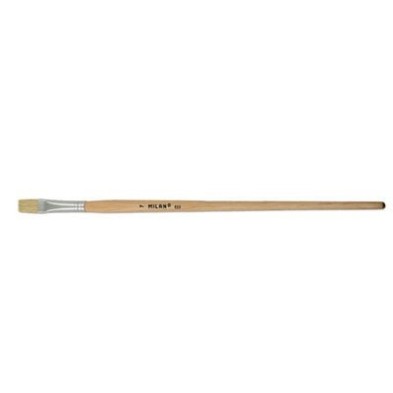
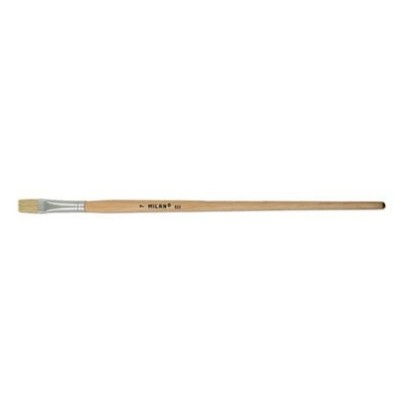
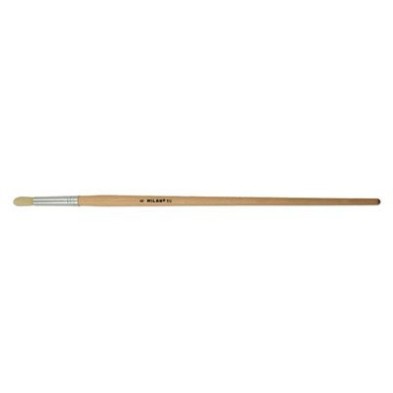
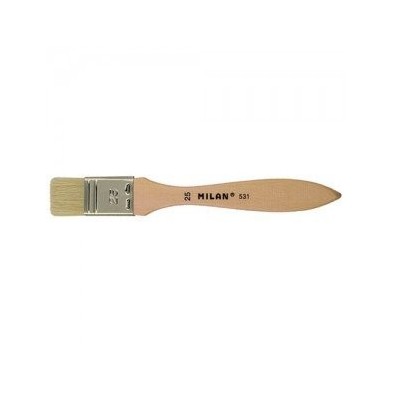
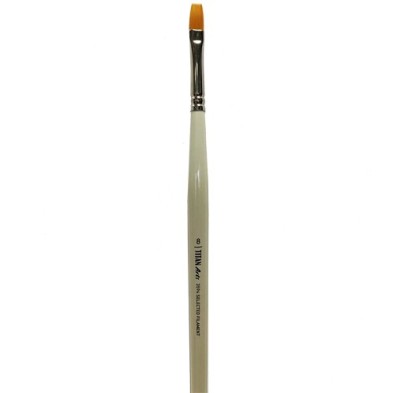
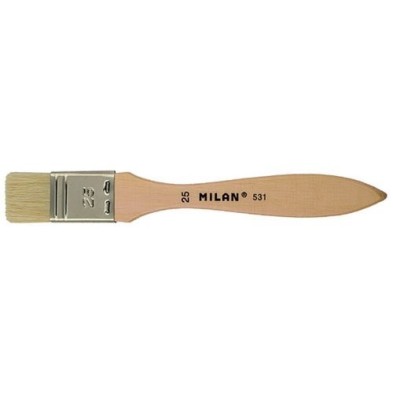
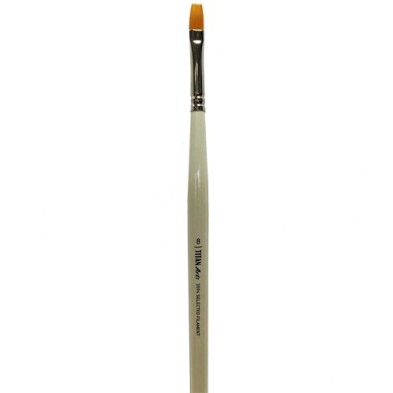
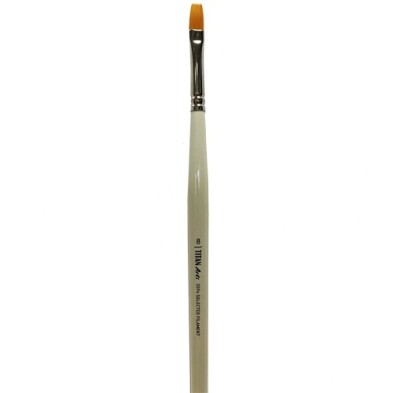
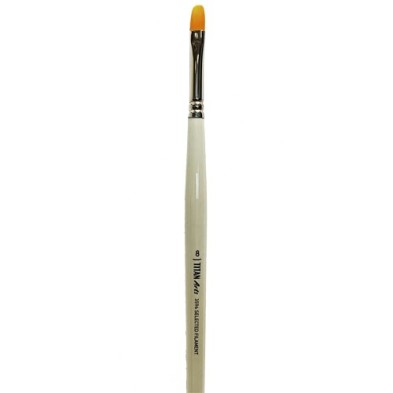
Synthetic brushes (Toray fibre, or ranges such as Da Vinci Nova or Vario-Tip) are the best choice: they hold up better to water and frequent washing than natural hair, which tends to dry out and lose its shape faster with acrylics. Stiff bristle brushes and palette knives are also useful for impasto and texture work.
How do I stop my paint drying out on the palette or in the jar while I work?
Use a stay-wet palette (a damp cloth under a special porous paper) to keep colour workable for hours, and mist the palette with a little water from a spray bottle if it starts to thicken. In the jar or tube, seal the lid tightly after each use, and if the paint has already thickened, a few drops of a drying retarder (such as Liquitex Slow-Dri) buy back some working time.
How do I get an acrylic paint stain out of clothing?
While wet, cold water (never hot) and soap, scrubbing from the back of the fabric. Once dry, a little isopropyl alcohol or a specific stain remover applied with a cloth usually helps — test on a hidden area first, since it can affect the colour of some fabrics. Once fully dry, it's a plastic film, so it doesn't always come out completely.
Quick checklist before painting with acrylics
- Surface primed and ready.
- Stay-wet palette prepared.
- Mediums on hand for your chosen technique.
- Water and soap for cleaning brushes.
- A varnishing plan for when you finish.
In summary
Acrylic paint combines speed, versatility and permanence. With brands such as Amsterdam, Vallejo, Sennelier or Liquitex you can explore everything from basic techniques to professional projects. Experiment, try different mediums and look after your tools: that's how you'll get the most out of this technique.