Lithographic printing inks
These are the inks you roll onto the dampened stone or plate: the greasy ink takes on the drawn areas and the water repels it everywhere else. As Cranfield puts it, lithography is a demanding printmaking method that requires a dedicated formulation.
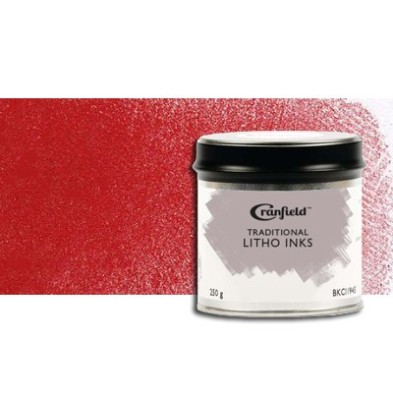
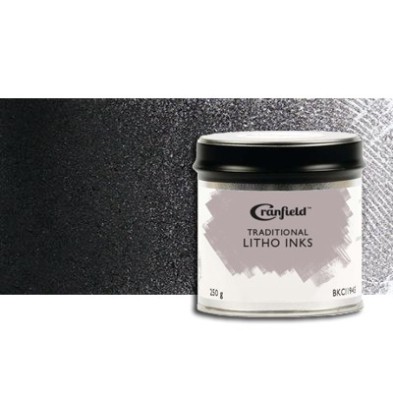
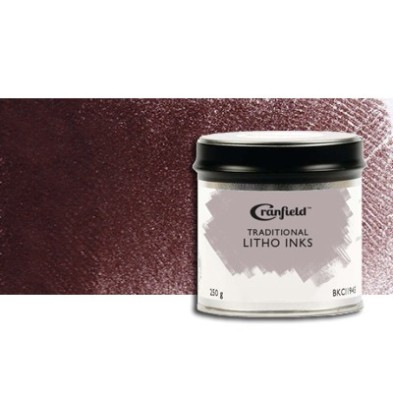
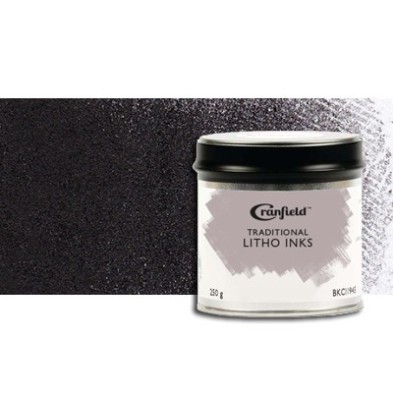
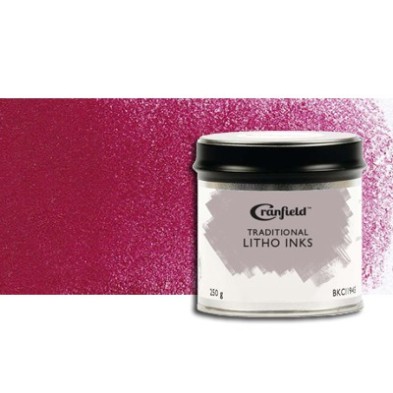
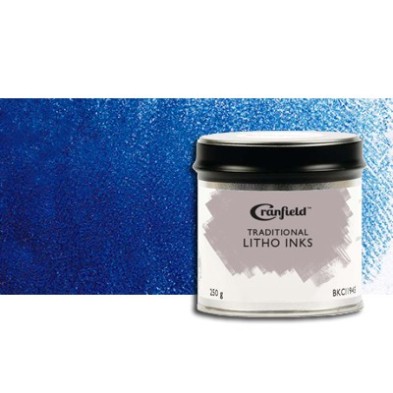
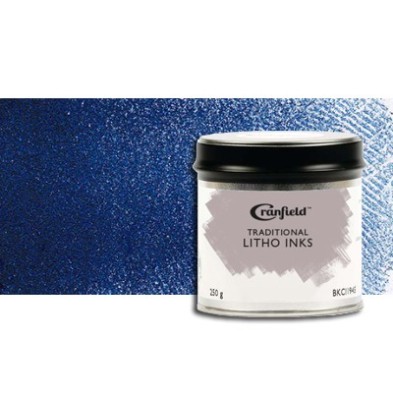
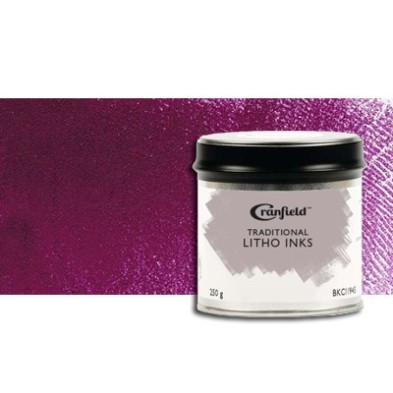
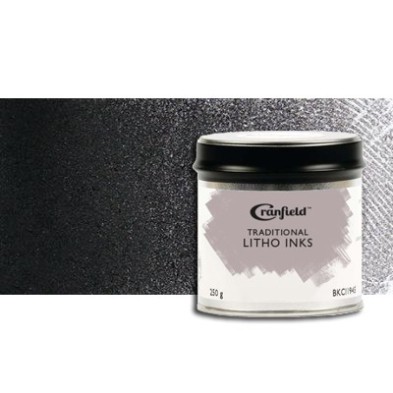
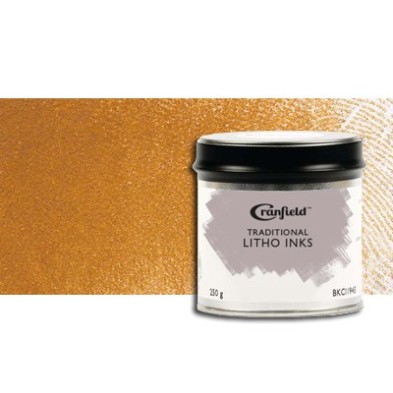
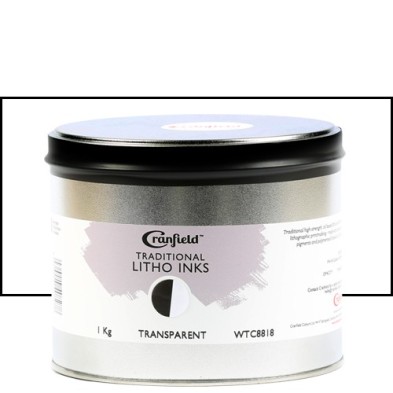
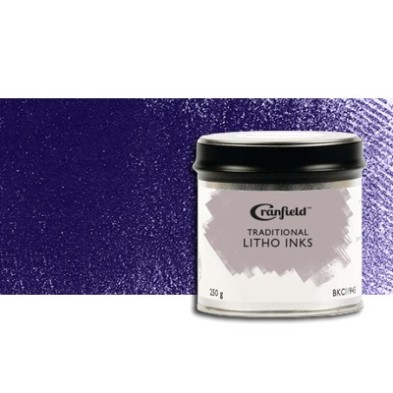
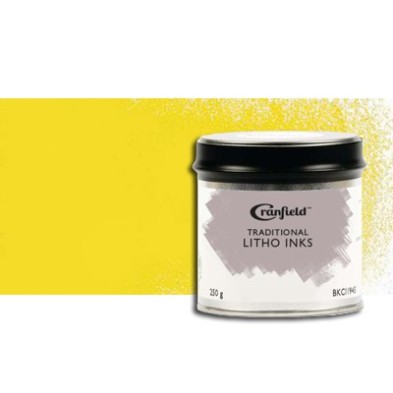
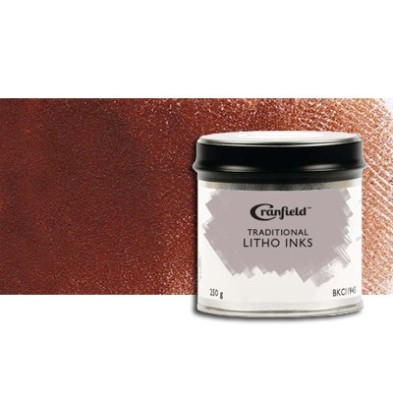
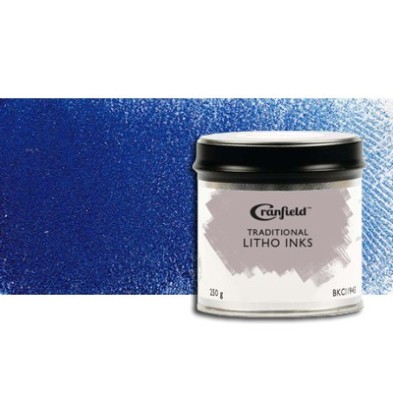
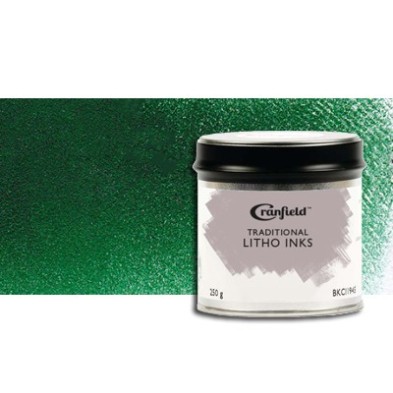
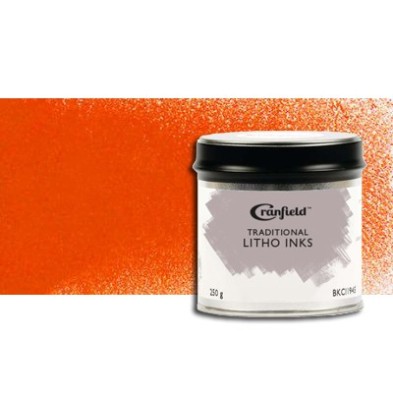
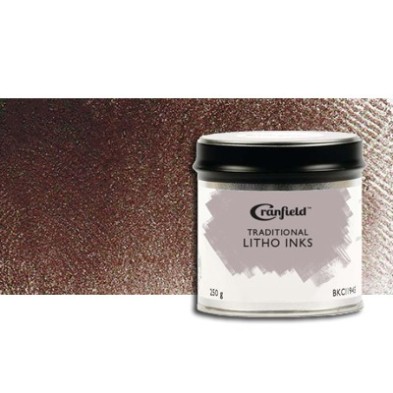
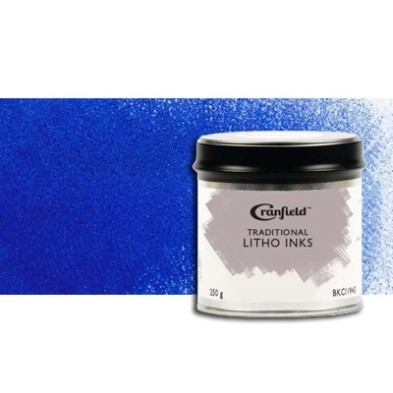
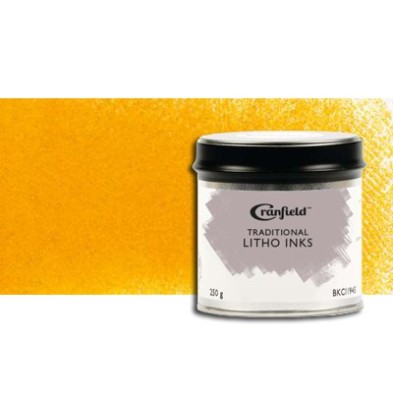
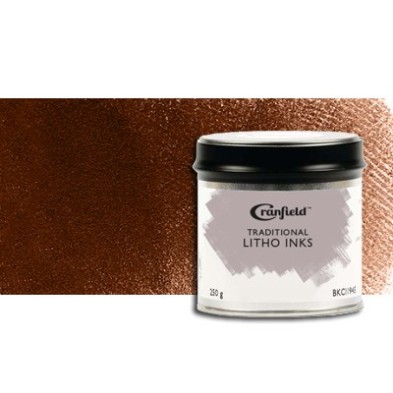
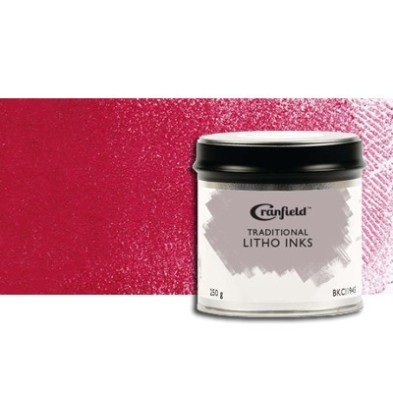
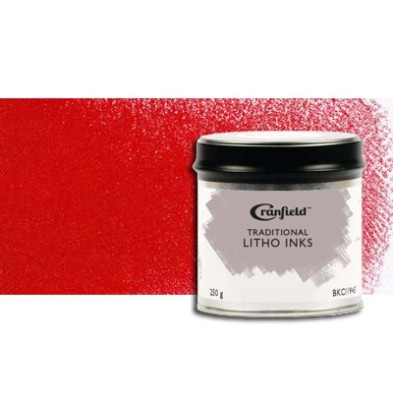
Cranfield Traditional Litho Inks. The Welsh maker formulates them as a mid-viscosity ink designed for stone lithography, with predominantly single-pigment colours that are exceptionally vibrant, lightfast and durable. According to its colour chart, the range runs to 23: from carbon black and opaque white to the yellows, orange, reds, violets, blues, phthalo green, earths, sepia, Van Dyck brown and transparent. At Totenart, in 250 g tins; carbon black, opaque white and transparent also come in 1 kg, and carbon black in 500 g as well.
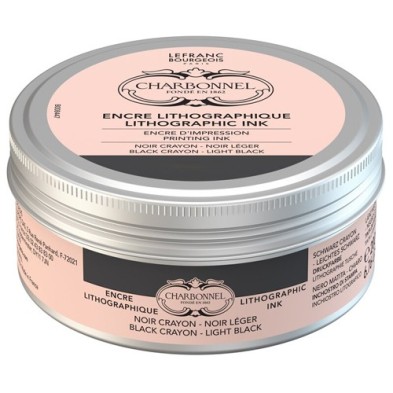
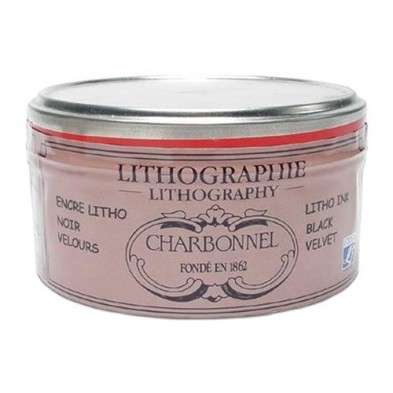
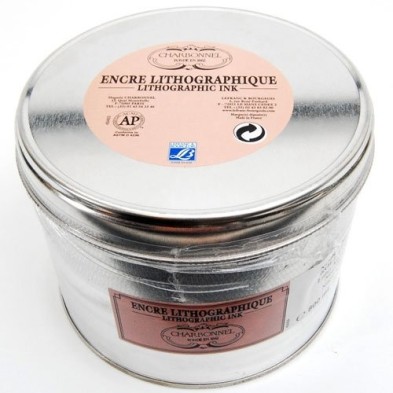
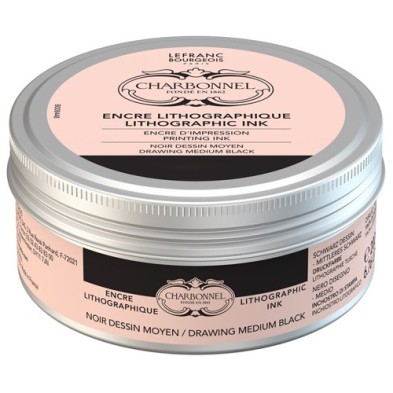
Charbonnel litho blacks. The Paris house, which has supplied lithography materials to artists and workshops since 1862, makes three linseed oil-based printing blacks in 200 ml jars. You choose them by intensity:
Charbonnel lithographic printing blacks by intensity
| Black | Intensity | Use according to Charbonnel |
|---|
| Noir crayon (light black) | Light | Soft, nuanced blacks: lithographic drawing, gradations and prints that need finesse |
| Noir dessin (medium black) | Medium | Clean, nuanced blacks: lithographic drawing and moderate flat areas |
| Noir velours (deep black) | Deep | Dense, rich blacks: intense flat areas and contrast, with very good coverage |
Drawing inks for stone and plate (tusche)
Tusche is lithographic drawing ink. Charbonnel defines it as an aqueous solution of grease and pigment that can be thinned with distilled water and used with a pen or as a wash; the grease is absorbed into the top layer of the stone, and those areas are the ones that later take the printing ink.
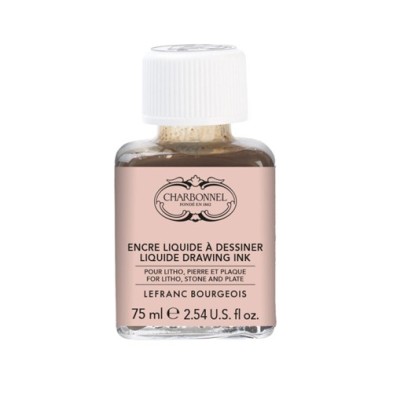
- Charbonnel liquid drawing ink, 75 ml: fluid and easy to work with a pen or brush for precise lines, on stone or plate.
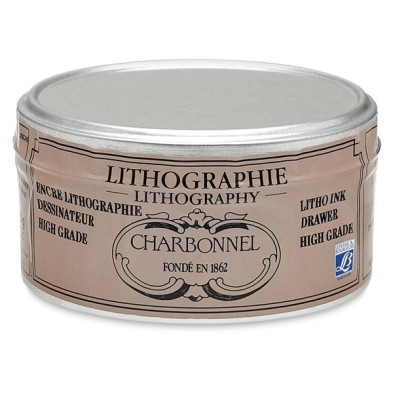
- Charbonnel High Grade, 125 g: an ink you dilute in its own tin, keeping one tin for each diluent. With water it becomes more fluid and dries slowly, for soft, gradual work; with spirits it is more viscous, penetrates the stone further and the image stands up better to processing.
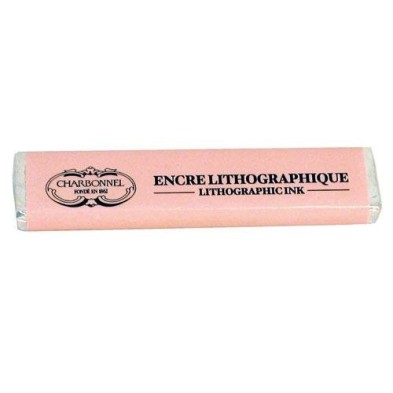
- Charbonnel lithographic ink sticks: for drawing on stone or zinc. More viscous than liquid ink, they penetrate the stone better and give an image that holds up well during processing.
Charbonnel notes that with High Grade and with the sticks, the print usually comes out richer and more intense than the original drawing.
Processing and preserving the image
In lithography, to “monter” the image is to fix it between etching the stone and the final printing. Charbonnel's à monter black, also known as conservation black, is made for this stage: it stabilises the drawing on the stone or plate while preserving the delicate areas and, because it does not dry, lets you leave the matrix inked for printing later. 200 and 800 ml jars.
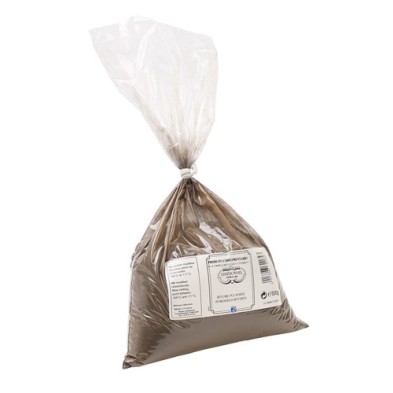
Charbonnel's powdered bitumen is listed among its lithography ancillaries. The maker describes it as the base of etching grounds, increasing their resistance to acid; it dissolves in turpentine or white spirit. 500 g size.
How to choose lithographic ink
- For colour printing: Cranfield Traditional Litho Inks, formulated for stone lithography.
- For black printing: Cranfield carbon black or one of the three Charbonnel blacks, depending on the intensity you want.
- For drawing: liquid ink for pen and brush; High Grade if you want to control the dilution yourself; sticks for an image more firmly anchored in the stone.
- For preserving the image between editions: à monter black, which does not dry.
If you need ink for another technique, go back to printmaking inks.
Lithographic ink FAQs
What ink is used for lithography?
For printing, a lithographic printing ink: a greasy ink rolled onto the dampened stone or plate that only takes on the drawn areas. To draw the image on the matrix, you use tusche, the lithographic drawing ink. Cranfield formulates its Traditional Litho Inks for stone lithography, and Charbonnel makes its litho printing blacks with linseed oil.
Can I use etching or lino ink for lithography?
It is not recommended. Cranfield explains that lithography is a demanding method that requires a dedicated formulation, which is why it makes a specific Traditional Litho range, separate from its intaglio and relief inks. Charbonnel also keeps its litho printing inks separate from its intaglio inks.
What is lithographic tusche and how do you thin it?
It is the drawing ink used in lithography. According to Charbonnel, it is an aqueous solution of grease and pigment that is thinned with distilled water and used with a pen or as a wash. Its High Grade is thinned in its own tin with water (more fluid and slower drying) or with spirits (stiffer and penetrating further into the stone), using a separate container for each thinner.
What is the difference between Charbonnel's crayon, dessin and velours litho blacks?
Intensity. According to Charbonnel, noir crayon is a light black for lithographic drawing, gradations and prints that need finesse; noir dessin, of medium intensity, suits lithographic drawing and moderate flat areas; and noir velours is a deep black for intense flat areas and contrast. All three are linseed oil-based printing inks in 200 ml.
What is à monter black used for?
For “monter”, that is, fixing the image between etching the stone and the final printing. Charbonnel also calls it conservation black: it stabilises the drawing on the stone or plate without losing the delicate areas and, because it does not dry, lets you ink the matrix and leave it ready to print later.
Are these inks suitable for aluminium or zinc plate lithography?
It depends on the ink. According to Charbonnel, its liquid drawing ink is for stone or plate, the ink sticks for stone or zinc, and High Grade for stone. Its à monter black is used on the stone or the plate. Cranfield presents its Traditional Litho Inks as formulated for stone lithography and does not mention other surfaces.