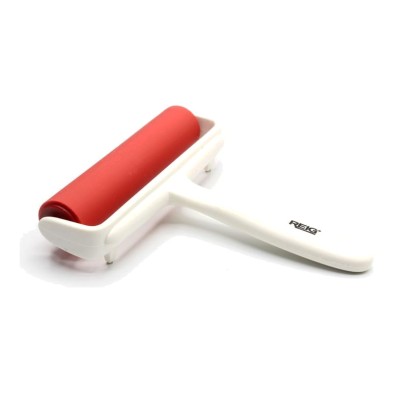
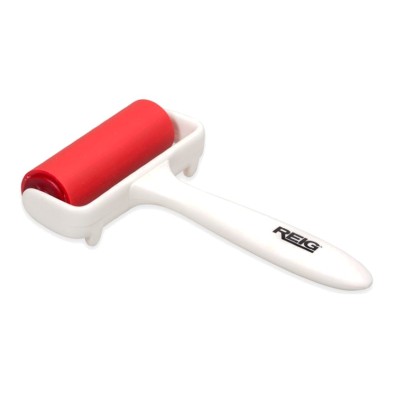
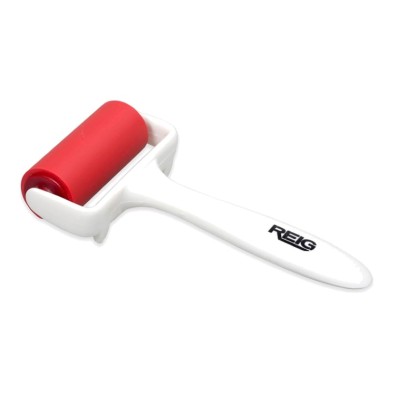
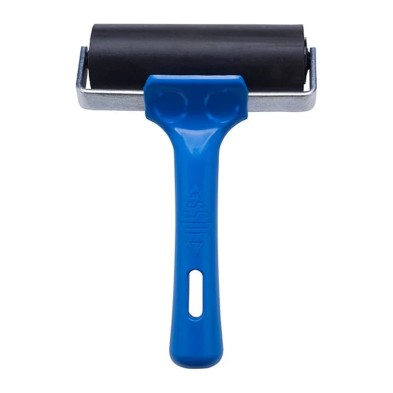
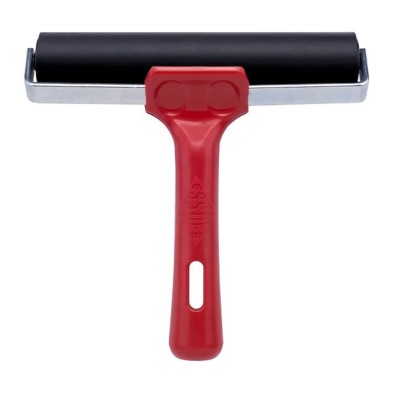
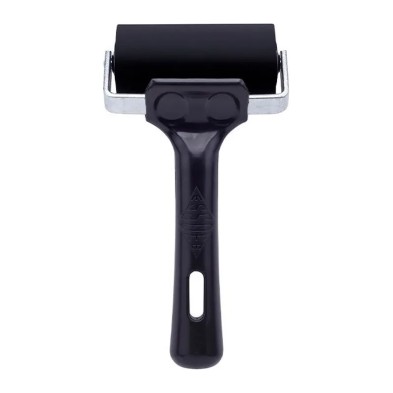
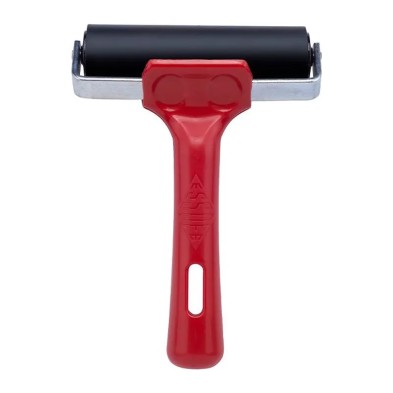
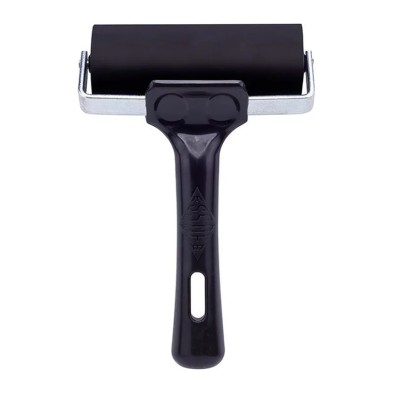
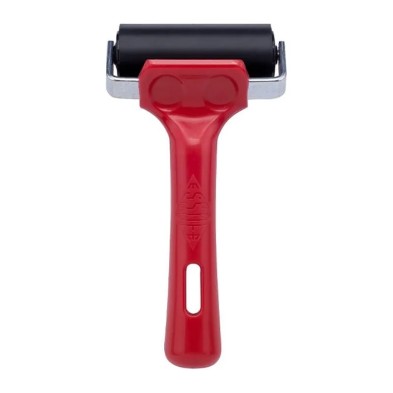
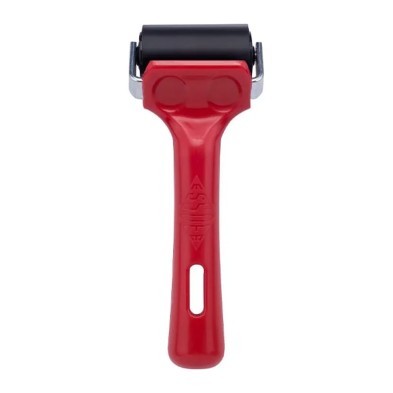
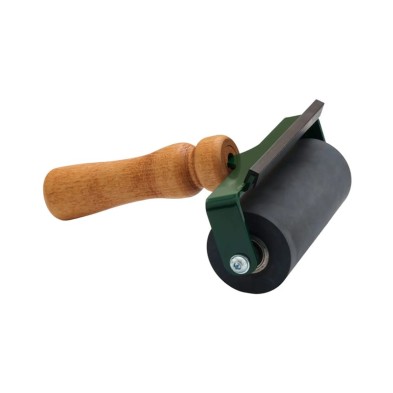
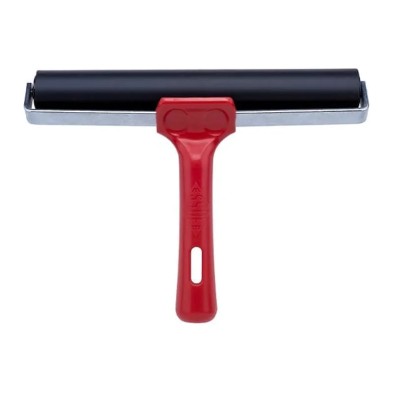
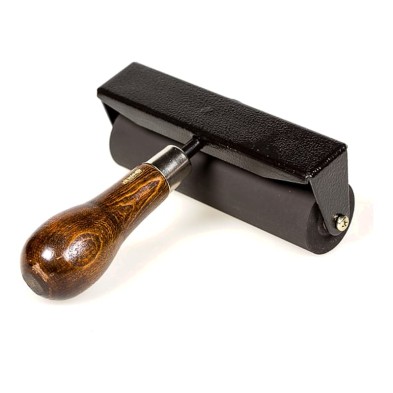
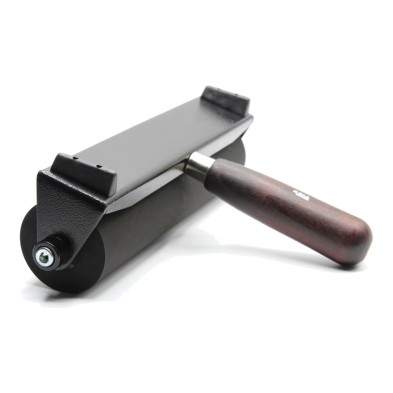
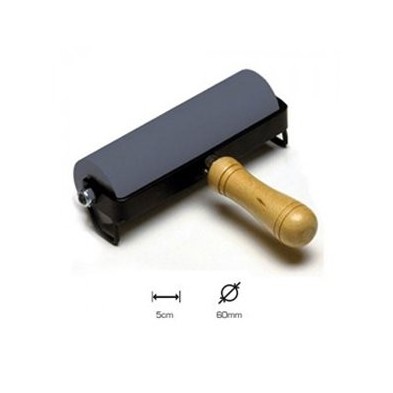
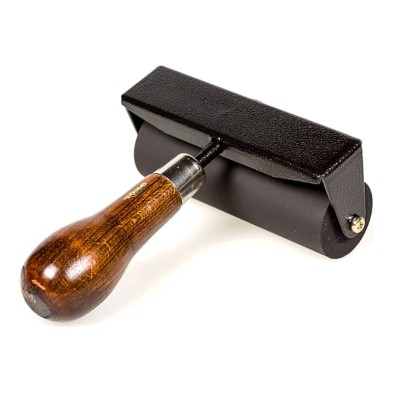
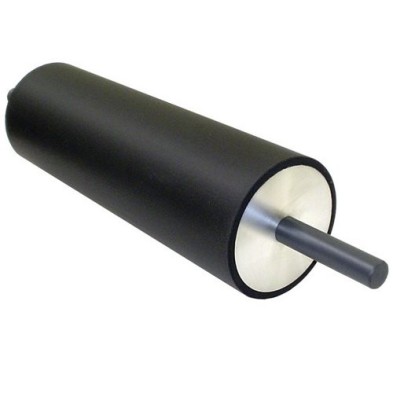
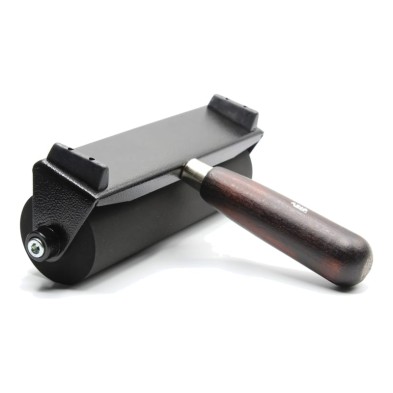
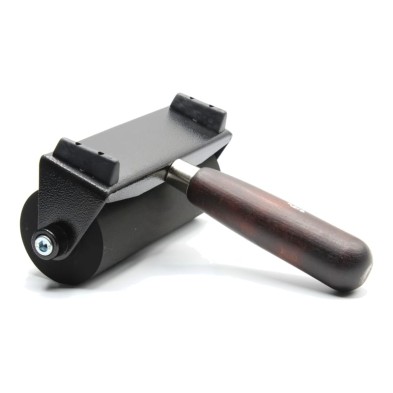
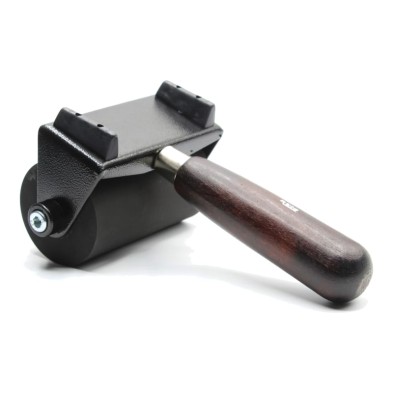
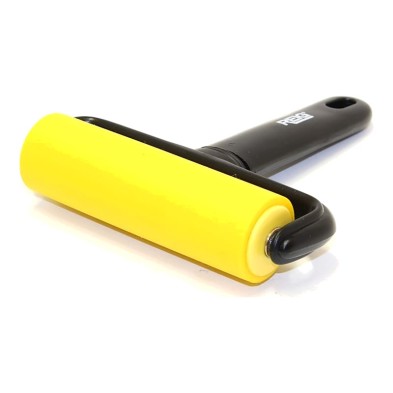
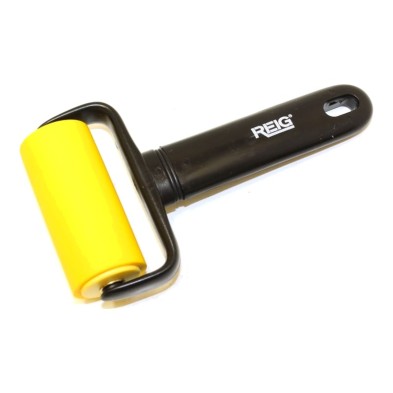
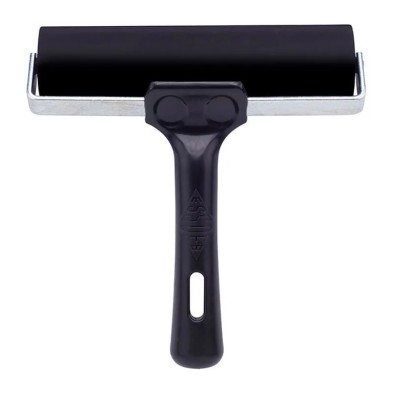
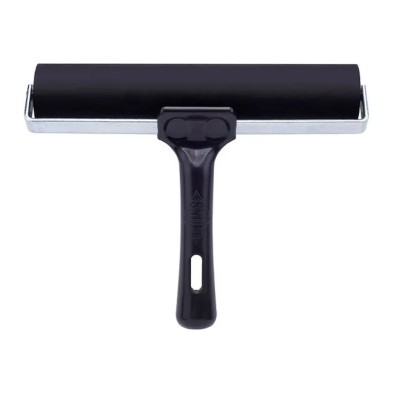
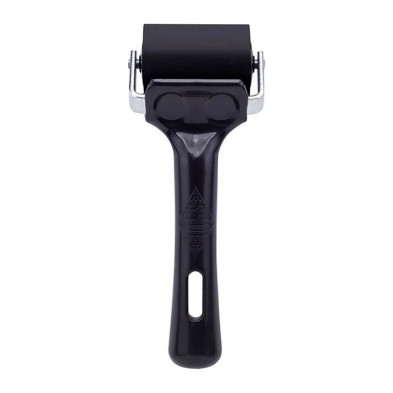
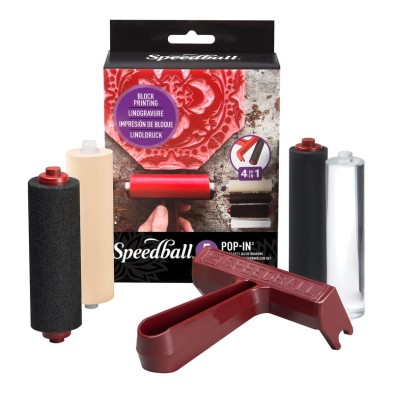
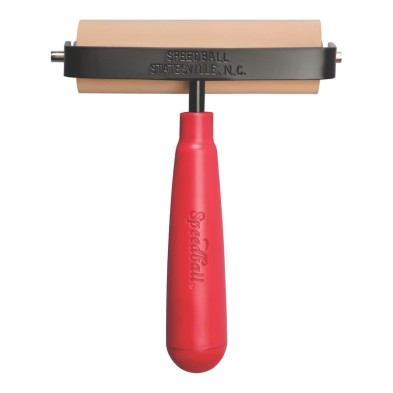
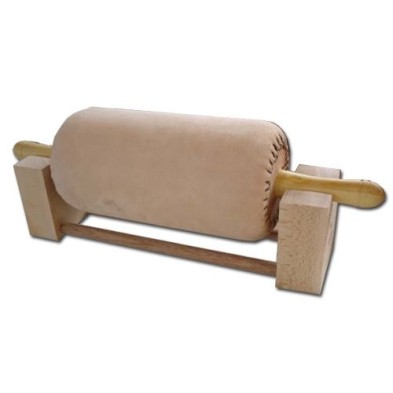
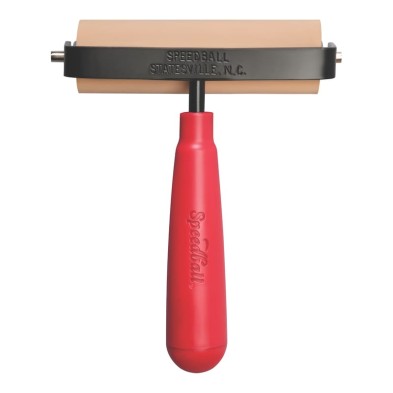
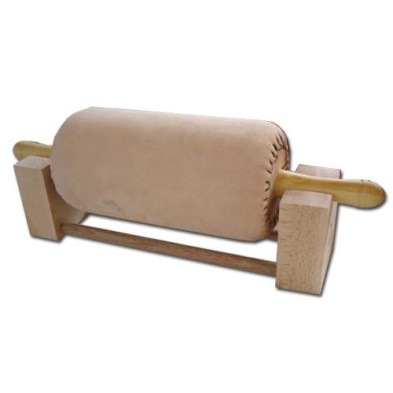
A printmaking roller, or brayer, is a rubber or leather cylinder on a handle that lays a thin, even film of ink on the block, plate or stone before printing. You charge it by rolling it out on a smooth inking slab until the ink is evenly spread, then roll it over the matrix. This section brings together our rubber and leather ink rollers, hard and soft, one-handed and two-handed, grouped by technique.
Which printmaking roller for each technique
Printmaking rollers by technique: use, material and width
| Technique | What the roller does | Material and hardness | Reference width |
|---|
| Linocut and woodcut | Inks the raised surface of the lino or wood block | Essdee EPDM rubber (70, 60 and 40 Shore), Speedball natural rubber (40/42 durometer) and Reig (45 Shore) | 5 to 30 cm |
| Intaglio | Surface-inks a plate already inked into its lines (roll-up or the Hayter method) | 45 Shore rubber (Reig professional) | 8 to 25 cm |
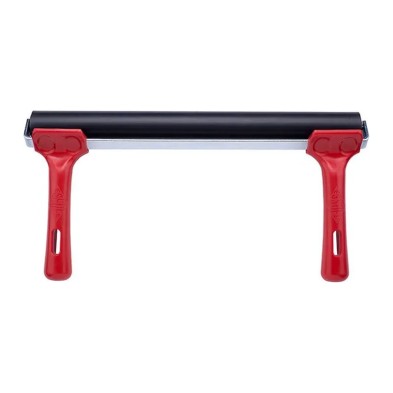
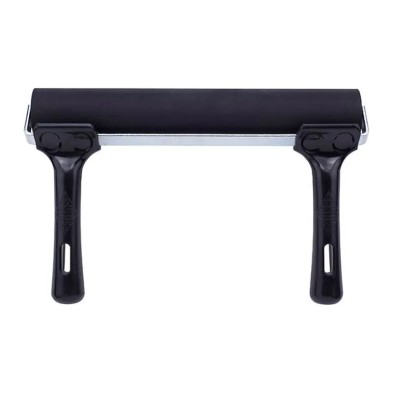
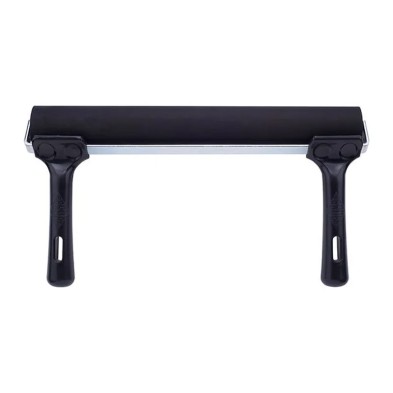
| Lithography | Inks the litho stone or plate | Leather or rubber, as large two-handed rollers | 25 to 50 cm |
For relief work, see our lino and woodcut rollers; for surface-inking a metal plate, our intaglio rollers; and for stone or plate lithography, our lithography rollers.
Choosing hardness: the Shore scale
Rubber hardness is measured on the Shore scale: the lower the number, the softer the roller. A hard roller deposits ink only on the top surface without dipping into the cut or etched areas, which is why it is used for relief printing and roll-up. A soft roller adapts to the surface and reaches lower or uneven areas. For reference, Essdee rollers come in 70 Shore (hard, standard range), 60 Shore (professional range) and 40 Shore (soft, R4S).
Width and diameter
Choose a width that covers the block, or the area you are inking, in a single pass. For relief work, 10 cm is Essdee's most popular width and is designed for medium-sized blocks; lithography uses rollers from 25 to 50 cm wide. Diameter matters too: the larger it is, the more surface the roller covers with each turn. A 34 mm roller travels just over 10 cm per revolution; a 125 mm roller, around 39 cm. When comparing the price of two brayers, look at the rubber and its hardness, the diameter, the frame and the handle, not just the width.
Rubber or leather, one hand or two
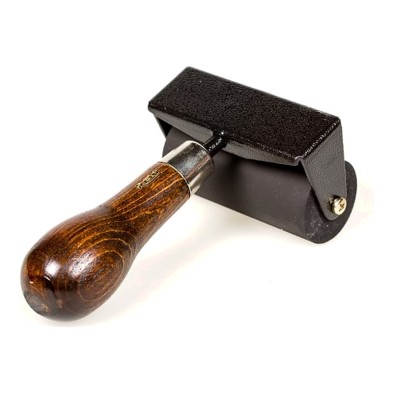
Rubber rollers are used in all three techniques. Leather appears here in lithography, in our leather rollers with handles. One-handed rollers, with a single handle, are mainly used for relief and intaglio; the large lithography rollers have a handle at each end and are worked with both hands.
Frequently asked questions about printmaking rollers
What is a brayer used for?
A brayer is a hand roller for inking a printing matrix with a thin, even layer before printing. You roll it out on a smooth inking slab first, then over the lino or wood block, the metal plate or the litho stone, depending on the technique.
What is the difference between a brayer and an ink roller?
In hand printmaking they are the same tool: brayer, ink roller and printmaking roller all describe a hand-held roller for spreading ink. What varies from one model to another is the technique it is designed for, the material (rubber or leather), the hardness and the width.
How do I choose a printmaking roller?
In this order: technique, hardness and width. The technique sets which part of the matrix takes the ink; the hardness decides whether the ink stays on the surface (hard roller) or reaches lower areas (soft roller); and the width should cover the block, or the area to be inked, in one pass.
What does Shore hardness mean on a roller?
It is the scale used to measure rubber hardness: the lower the number, the softer the roller. A 70 Shore roller, such as the Essdee standard range, is hard; a 40 Shore roller, such as the Essdee R4S, is soft and flexible.
What size brayer do I need?
One wide enough to cover your block, or the part you are inking, in a single pass. With a roller narrower than the block you have to overlap passes; in lithography, where the stone or plate is large, rollers of 25 to 50 cm are used.
How should I clean and store a brayer?
Clean it after every session, before the ink dries, and store it so that the rubber is not resting on any surface. Use the cleaner that suits the ink you have printed with: water-based and oil-based inks are not cleaned the same way.