


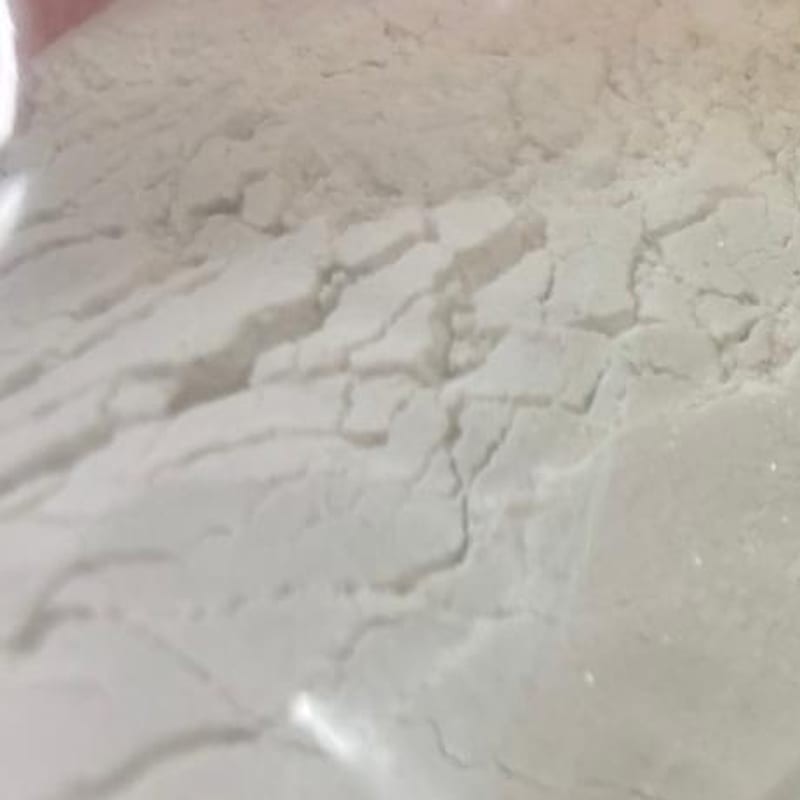
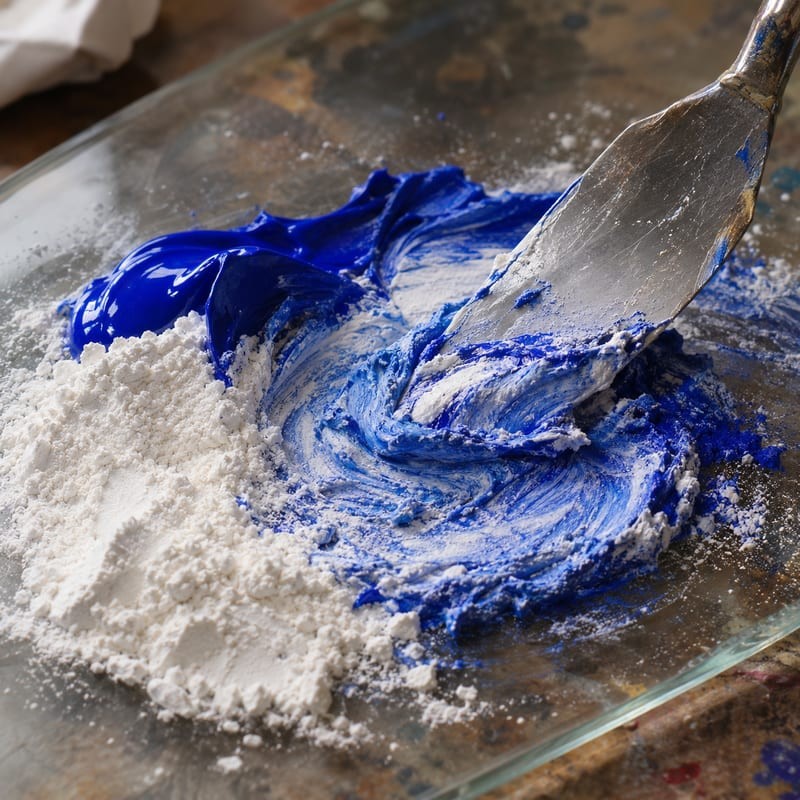
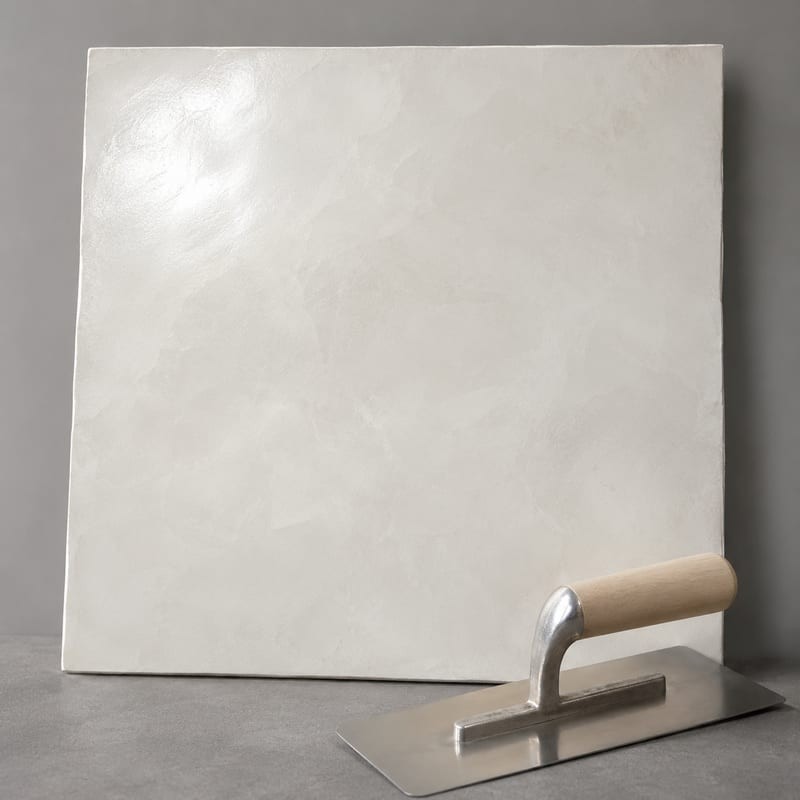
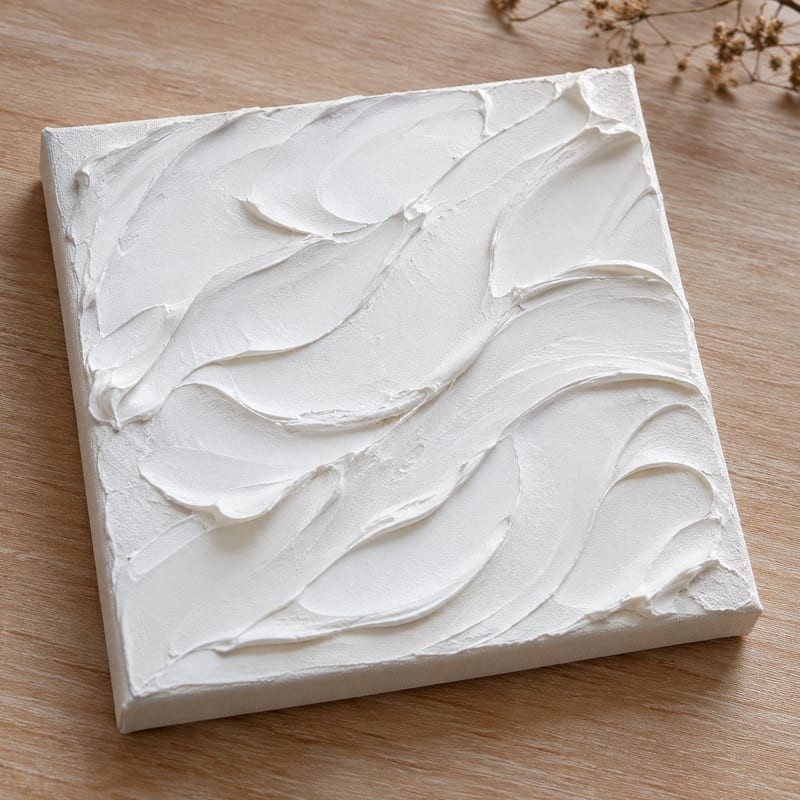
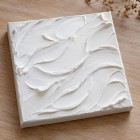

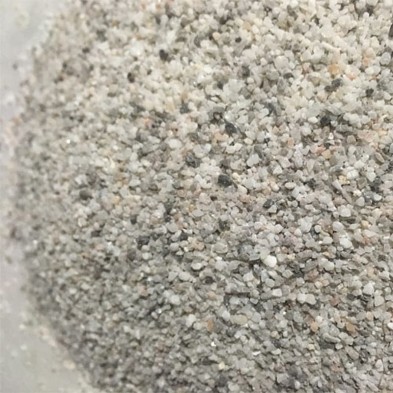
White marble dust with a 40-50 micron grain (0.04-0.05 mm), made for smooth finishes. Mix it with oil, acrylic, lime or glue to add body to paint, make stucco and grounds, or prepare your own modelling paste.
Unit price (tax included)

Free shipping on orders over €95
Free returns within 14 days
| Composition | Calcium carbonate (CaCO₃) ≥ 98% |
|---|---|
| Colour Index | Pigment White 18 · C.I. 77220 |
| Particle size | 40-50 µm |
| Form | Powder |
| Whiteness | 94-96% |
| Bulk density | 0.7-0.9 g/cm³ |
| Oil absorption | 12-18 g/100 g |
| pH | 7-10 |
| Water solubility | Insoluble |
| Classification | Non-hazardous (CLP) |
| REACH | Exempt |
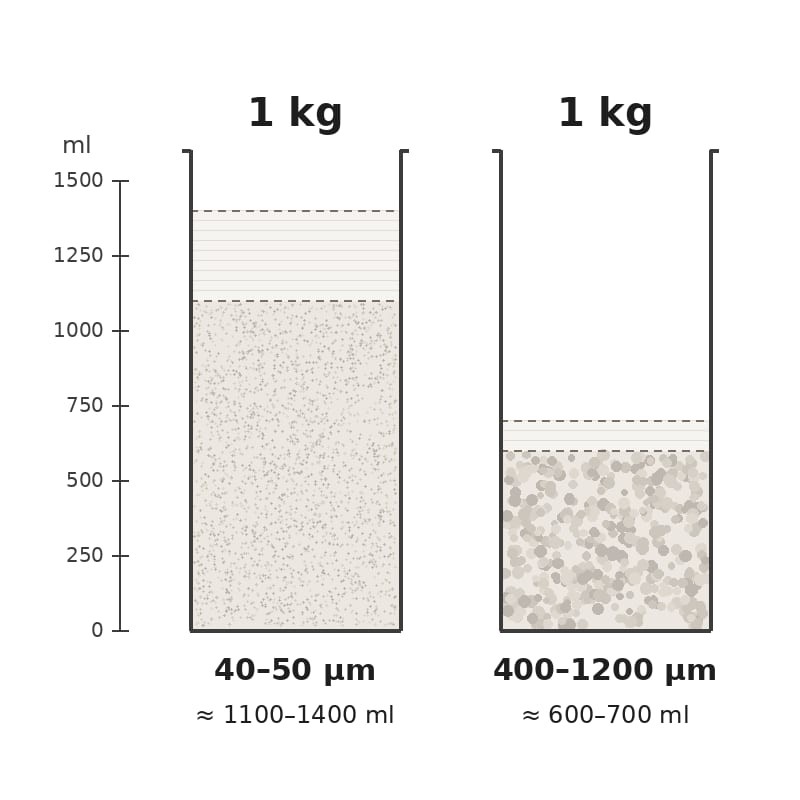
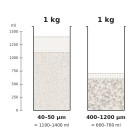
| Pack size | 1 kg (≈ 1.1-1.4 l) |
| Reference | 75-PMF |
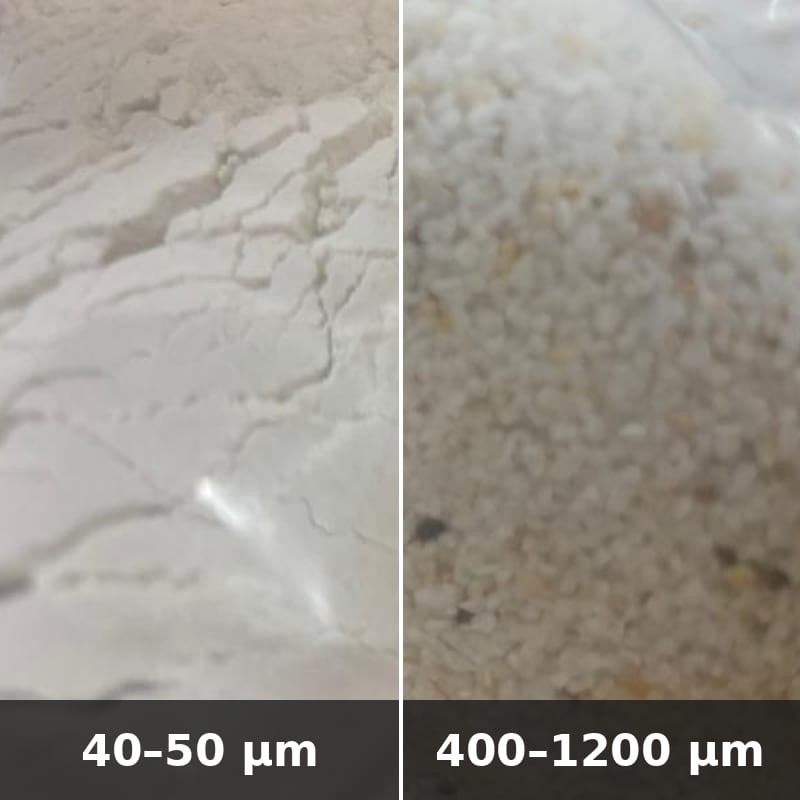
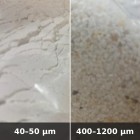
Choose fine when the grain shouldn't show: bulking out paint, stucco, grounds or a smooth modelling paste. If you want the opposite —rough relief, a sand or stone effect, grain you can see and feel— you need coarse marble dust, 0.4 to 1.2 mm: Coarse Marble Dust 0.4-1.2 mm, 1 kg.
Totenart's fine marble dust has a particle size of 40 to 50 microns (0.04-0.05 mm), according to its technical data sheet. Totenart's coarse marble dust, by contrast, has a 0.4 to 1.2 mm grain.
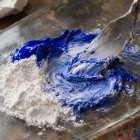
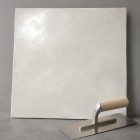
Marble dust is ground marble (calcium carbonate) used as a mineral filler: it adds body and texture to paint and, in oil, brings no colour of its own. Artists use it to thicken oil and acrylic, make homemade modelling paste with acrylic medium, prepare lime stucco, fill gesso-type grounds, and add aggregate to fresco plaster.
Chemically, marble dust and whiting (Spanish white) are the same compound, calcium carbonate; the difference is origin: whiting comes from chalk, a soft sedimentary rock, while marble dust is ground marble, a crystalline metamorphic rock. Blackboard chalk may be calcium carbonate or gypsum (calcium sulphate), so it's not a reliable substitute.
Yes. It's a traditional filler for grounds: it adds body to the layer and gives the surface tooth.
Hardly at all in oil: calcium carbonate has a refractive index close to that of linseed oil and becomes almost transparent, so it thickens without changing the hue. In acrylic, vinyl or lime it does whiten and soften the colour.
Roughly 1.1 to 1.4 litres, calculated from its bulk density (0.7-0.9 g/cm³).
According to its safety data sheet, it is classified as non-hazardous under the EU CLP Regulation and needs no special labelling. It contains over 98% calcium carbonate and less than 0.2% crystalline silica (quartz). Even so, like any fine powder, it shouldn't be inhaled: avoid raising dust, work with ventilation and wear an FFP1 mask and safety glasses when handling larger amounts.
Unleash your creativity without spending more, take advantage of our free shipping on orders over €95 (Spain and mainland Portugal, and Balearic Islands).
Also, so you don’t miss anything, we will always keep you informed about the status of your order, through your customer account, by email, and with a link to the carrier tracking when your order is out for delivery.
We put a lot of effort into ensuring our products reach your home in perfect condition, however, if they arrive damaged, notify us within 24 hours so we can resolve it, and if you change your mind and want to return any product, you have up to 14 calendar days to do so.
We only accept returns due to defects in the product and will not be held liable for installation errors where the installation has not been carried out by our technicians. We accept returns within 14 calendar days of the delivery date, subject to our prior approval, confirmed by email or other means.
Refunds will be issued via the original payment method within a maximum of 7 calendar days of our confirmation.
At Totenart we love art, and that’s why we work every day to make it more accessible and closer to you. We want living art to be as easy as feeling it, which is why you can now find galleries, museums, and cultural spaces from all our cities in one single place. The best part? They’re organized in an interactive map that allows you to explore them easily and visually, wherever you are.
Whether you’re passionate about art or just beginning your creative journey, this resource will help you get inspired, discover new spaces, and enrich your artistic experience.
And if you are an artist, we invite you to take it a step further: join our artist directory. It’s the perfect opportunity to showcase your work, gain visibility, and connect with art lovers, fellow creators, and potential clients.
Are you a trainer or do you run a workshop? You can also register in our training centers directory. Let more people know about your space, your courses, and your artistic proposal.
Because we believe art is meant to be shared, to build networks, and to grow together.
We have more than 50,000 products on our website, but not all of them are available in our physical store.
If you are interested in this product and want to buy it at our store in Valencia, please make sure we have it there beforehand.
You can send us an email letting us know how many you need and when you plan to come, and we will confirm the stock or notify you when it’s available so you can pick it up!
Shopping in Valencia
You may also like
Recently viewed