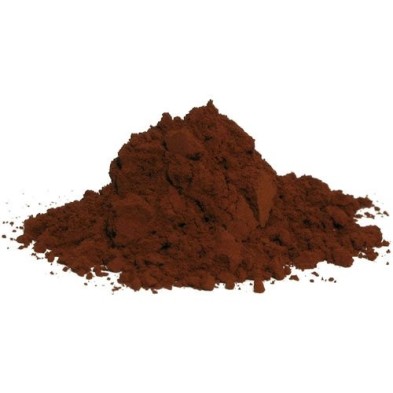
Which powder pigment should you choose?
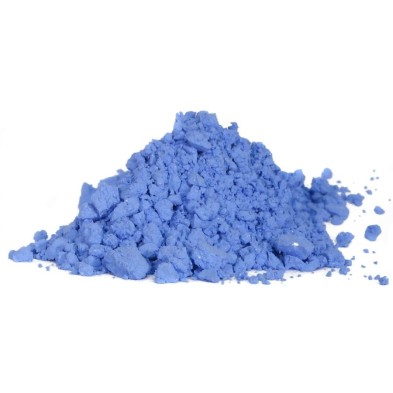
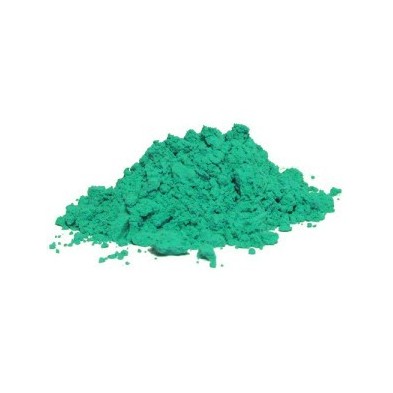
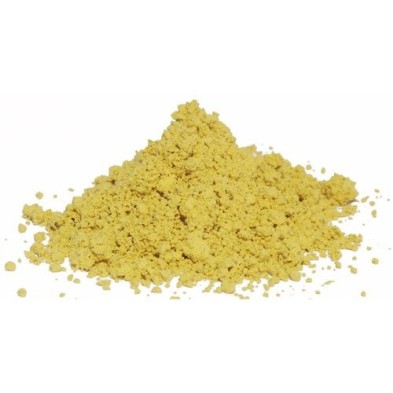
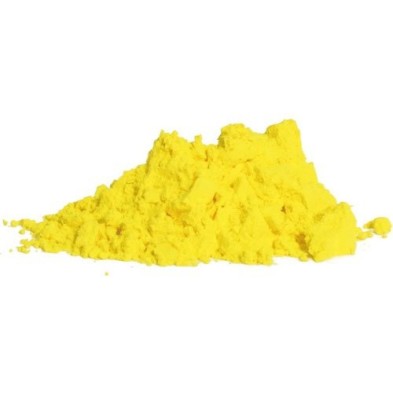
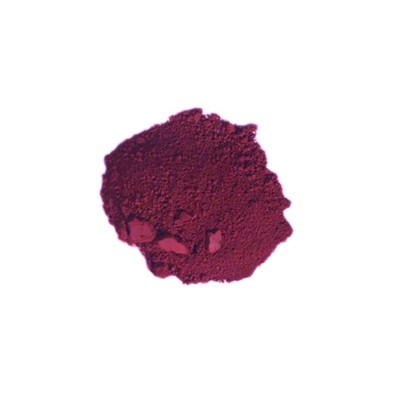
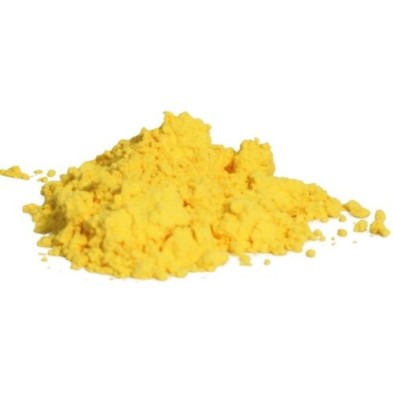
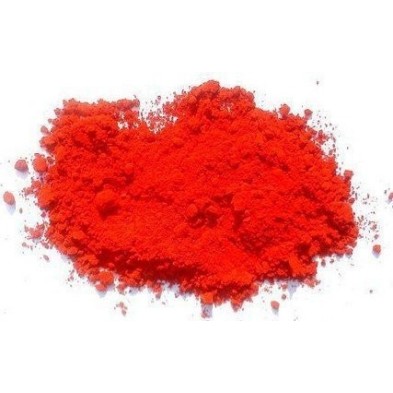
A powder pigment is colour in dry powder form, sold without a binder: you mix it yourself with oil, acrylic medium, gum arabic or egg yolk to make your own paint. These pigments for painting fall into three groups.
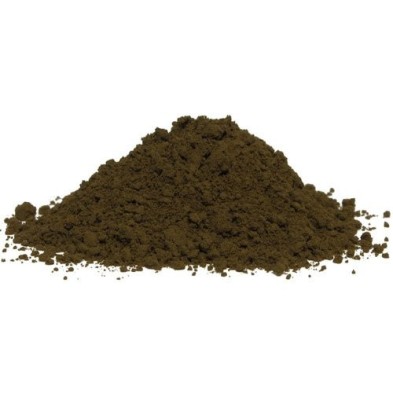
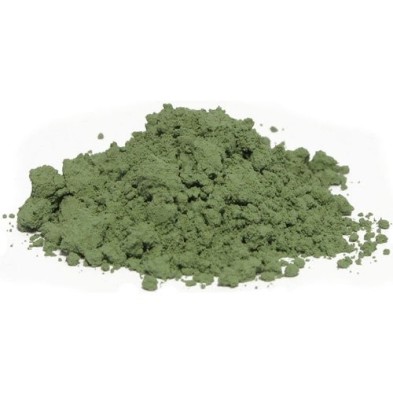
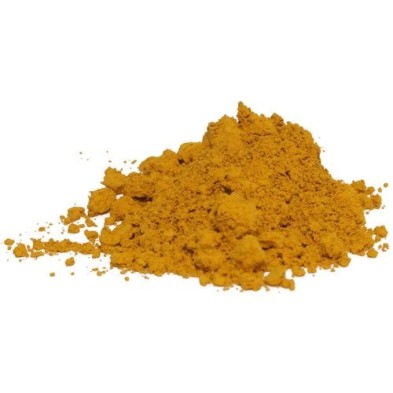
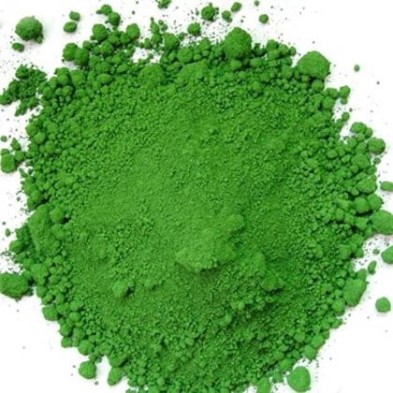
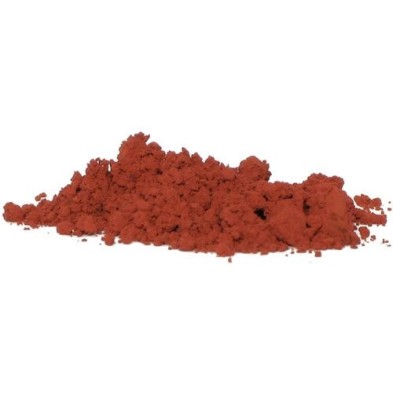
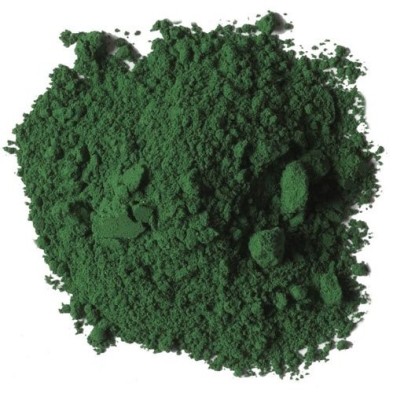
Natural earths and oxides. Ochres, siennas, umbers, natural red, green earth and iron oxide blacks. These are the natural earth pigments in the range, and they tend to be opaque and very stable. Umber contains more manganese than sienna and is darker; the burnt (calcined) versions give warmer tones. They are available in the Conesland Studio series and in the Artist range.
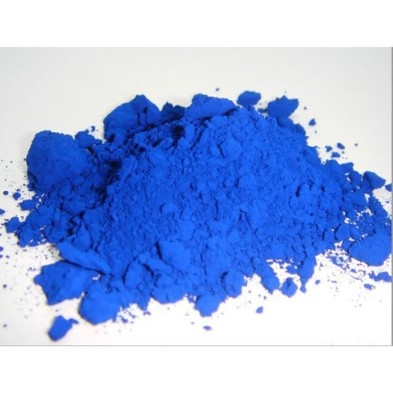
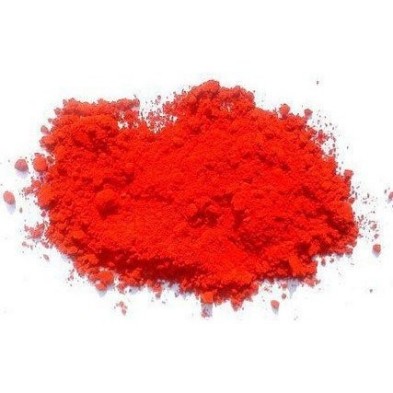
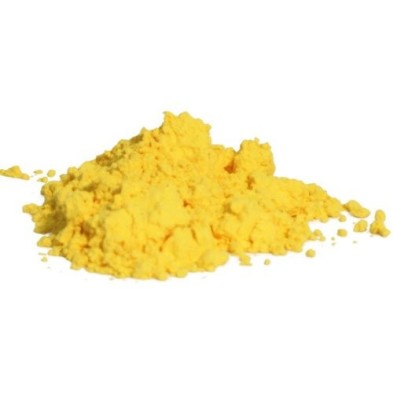
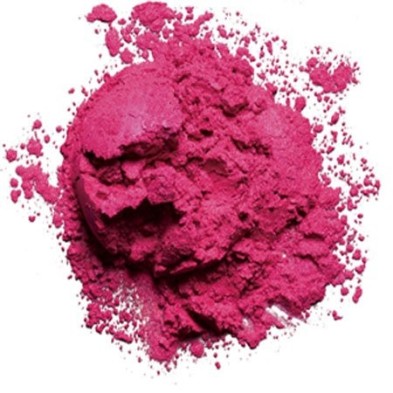
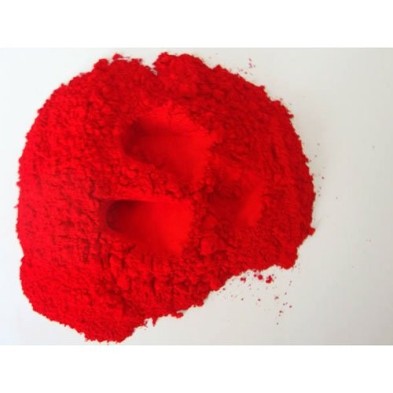
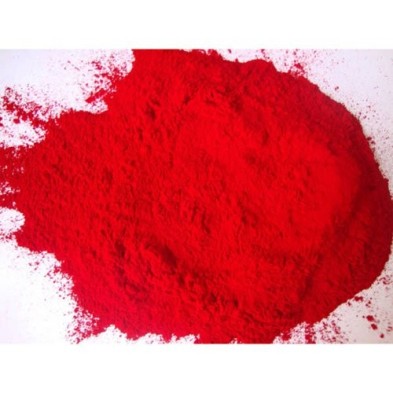
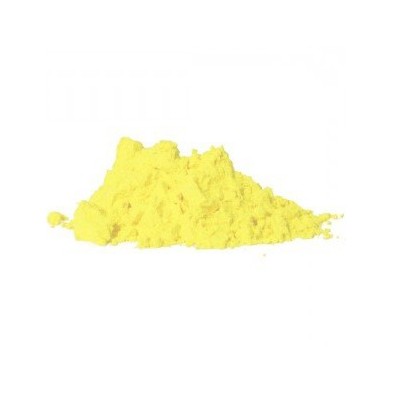
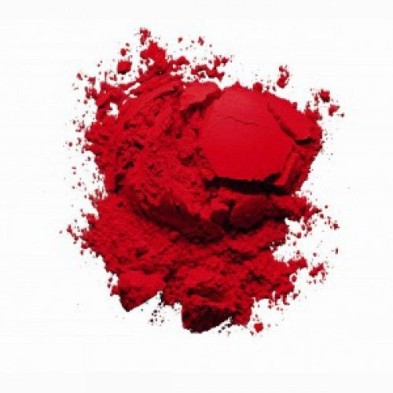
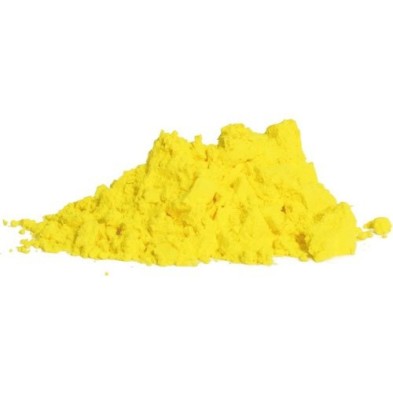
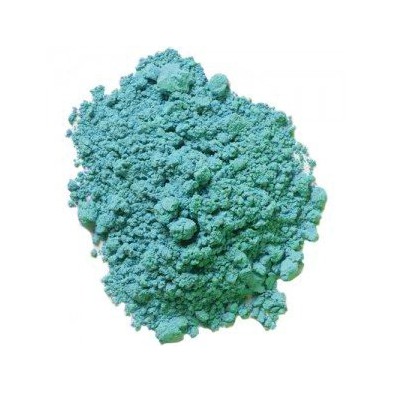
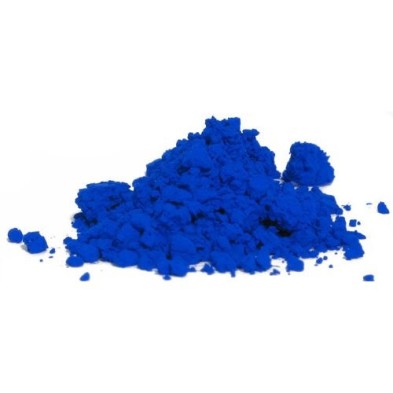
Synthetic and organic colours. Magenta, reds, orange, yellows, greens and blues, including ultramarine. Organic pigments give vivid colours and strong tinting power, but their lightfastness varies from one colour to the next: the table below shows each case.
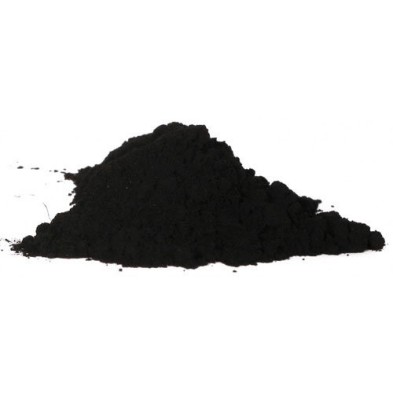
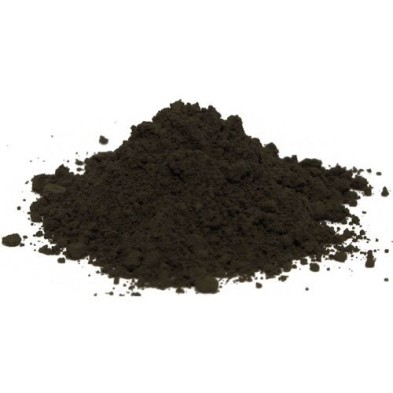
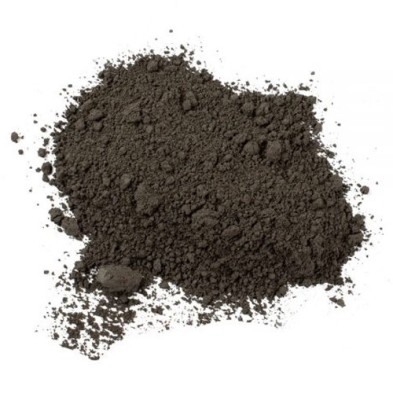
Blacks and whites. Smoke Black is a lamp black (soot carbon) and absorbs a lot of oil. Black Graphite is opaque, with a slight metallic sheen. Titanium white is very opaque; zinc white is more transparent and has roughly one tenth of its tinting power.
Studio or Artist: what is the difference?
Studio and Artist grades differ in format and in the manufacturer's series, not in lightfastness. Artist: 250 g bags (the whites come in 500 g) with natural earths and synthetic pigments. Studio: 800 g to 1 kg bags from three series: Conesland (standard-quality natural earths at a competitive price), Incoral (precipitated organic complexes) and Microgiraltin (medium tinting strength: Yellow 20 and Blue 93). There are also four references from the Totenart (TAT) series, in 250 g and 500 g, with no manufacturer lightfastness data.
Lightfastness of powder pigments: the manufacturer's table
The lightfastness shown for each pigment is the manufacturer's rating (G&C Colors), not a test carried out by Totenart. It uses two scales: the ASTM class, from I (excellent) to V (very poor), and the blue wool scale, from 1 to 8, where 8 is the most lightfast. There is no official equivalence between the two.
Lightfastness of powder pigments according to the manufacturer (G&C Colors)
| ASTM class / blue wool |
Artist pigments (250 g) |
Studio pigments |
| I / 8 |
Smoke Black, Black Graphite |
Raw Sienna 19, Burnt Sienna 21, Raw Umber 23, Burnt Umber 25, Light Blue 5 |
| I / 7-8 |
Ochre, Raw Sienna, Burnt Sienna, Raw Umber, Natural Red, German Green Earth, Scarlet Red, Magenta, Light Blue, Dark Blue, Ultramarine Deep Blue, Bluish Green |
Ochre 13, Red Oxide 31, Black 29, Medium Blue 6, Blue 93 |
| II / 6-7 |
None |
Violet 15, Red 13 |
| II-III / 6-7 |
Deep Red |
None |
| II / 5-6 |
Light Yellow |
Yellow II |
| II / 4-5 |
Orange |
Yellow I |
| III / 4-5 |
Bordeaux |
None |
| III-IV / 4-5 |
None |
Yellow 20 |
| III / 2-3 |
Deep Green |
None |
| IV / 3-4 |
Medium Yellow, Medium Green |
None |
| V / 4-5 |
Fire Red |
None |
Classes I and II: suitable for work that needs to last; for artists' oil paint, the ASTM D4302 specification admits only these two. Classes III to V: not recommended for permanent work, but suitable for studies, illustration or work that will not be exposed to light for long periods. Fading also depends on the binder and on the pigment concentration. Products that do not appear in the table (the whites, the TAT series and one or two references awaiting confirmation) have no lightfastness data assigned.
Pigment and binder: what to mix for each technique
Not every pigment suits every binder: it depends on the pigment and on the formulation, so test before you prepare a large batch. These are indicative starting points for each technique.
Binder and starting point for each technique with pigment powder
| Technique |
Binder |
How to start |
What to choose |
| Oil |
Oil |
About 3 parts pigment to 2 parts oil, until you have a firm paste with no oil sweating out. Weigh and test. |
Earths, oxides and class I or II colours. With caution: lamp black dries slowly and zinc white can form a brittle film. Incoral: see the note below the table. |
| Acrylic |
Acrylic medium |
No fixed ratio: wet the powder with water, grind it to a paste on glass and add the medium. With too little binder, the paint cracks or flakes off. |
Earths, oxides and colours; class I or II if the work needs to last. |
| Watercolour |
Gum arabic |
Indicative: 1:1 by volume, adjusting for the pigment. |
Earths, oxides and class I or II colours. |
| Egg tempera |
Egg yolk and water |
Indicative: make a paste of pigment and water, then add it to equal parts of egg yolk and water. The mixture keeps for only a few days. |
Earths, oxides and class I or II colours. |
| Lime and fresco |
Lime |
Needs alkali-resistant pigments. Always test first. |
Iron oxides and earths such as siennas and umbers. With green earth, test first: it is partly soluble in alkalis. |
About the Incoral pigments (Violet 15, Red 13, Yellow I and II, Light Blue 5, Medium Blue 6). According to the manufacturer, they are organic complexes precipitated on suitable substrates, intended for distemper work, tinting glue-based paints and toning emulsion paints; they dilute in water without lumps or foam. For oil paint and for lime, the manufacturer recommends other ranges, such as Microgiraltin (Yellow 20, Blue 93).
Natural and synthetic pigments: which is which
In this category, the natural pigments are the earths and mineral oxides: ochres, siennas, umbers, natural red, green earth and the Conesland oxides (goethite, hematite, magnetite). The other colours (magenta, reds, orange, yellows, greens and blues) are synthetic or organic. Natural does not mean more lightfast: some synthetics are very durable, such as Ultramarine Deep Blue or Scarlet Red (class I / 7-8 according to the manufacturer).
How to make paint from pigment powder
You need pigment, binder, a glass slab with a glass muller (or a porcelain mortar and pestle), and a palette knife. Here is how to begin:
- Protect yourself: wear a dust mask and gloves, and avoid draughts that lift the dust.
- Grind the pigment wet to a fine paste and add the binder a little at a time, following the table above.
- Test the colour and adhesion before preparing a larger quantity.
Frequently asked questions about powder pigments
Which powder pigment should I choose for oil, acrylic or watercolour?
Earths and oxides (ochres, siennas, umbers, green earth) are the most versatile choice: they are used in oil, acrylic, watercolour and tempera, and every one with manufacturer data is class I for lightfastness. For bright colours, choose class I or II if the work needs to last.
How much binder does a powder pigment need?
A powder pigment has no single binder ratio: it depends on the pigment and the technique, so every ratio is only a starting point. In oil, use about 3 parts pigment to 2 parts oil; in watercolour, roughly 1:1 by volume with gum arabic. In acrylic there is no fixed ratio: grind the wet powder, add the medium and check that it does not crack.
What is the difference between Studio and Artist pigments?
The difference is the format and the manufacturer's series, not lightfastness. Artist pigments come in 250 g bags (the whites in 500 g); Studio pigments, in 800 g to 1 kg. There are Studio pigments in class I / 8 (Raw Sienna 19) and Artist pigments in class III / 2-3 (Deep Green).
Which pigments are the most lightfast?
According to the manufacturer, the most lightfast are the class I / 8 pigments: Smoke Black, Black Graphite, Raw Sienna 19, Burnt Sienna 21, Raw Umber 23, Burnt Umber 25 and Light Blue 5. The least lightfast are Deep Green (III / 2-3), Medium Yellow and Medium Green (IV / 3-4) and Fire Red (V / 4-5). On the blue wool scale, 8 is the highest lightfastness.
Are natural pigments more lightfast than synthetic ones?
No. Natural pigments are not automatically more lightfast than synthetic ones: classic natural organic dyes such as madder, indigo and carmine are fugitive, and some synthetics are very durable. Decide by the class of each colour, not by its origin.
Can I mix powder pigments together?
Yes, you can mix powder pigments. The manufacturer states that Incoral pigments can be mixed with each other without chemical alteration. With the rest, test a small quantity with the same binder and take into account the lightfastness class of each component.
Can powder pigments be used in lime or fresco?
Powder pigments can be used in lime or fresco only if they resist alkalis. Iron oxides, carbon (lamp black) and earths such as siennas and umbers work; with green earth, test first, because it is partly soluble in alkalis. Prussian blue, lakes and chrome yellow fail. Do not use Incoral pigments in lime: the manufacturer recommends Microgiraltin or its special series for lime and cement. With ultramarine, test first.
Which pigments should I buy to start a basic palette?
A basic palette combines a white, a black, earths, and one red, one blue and one yellow. For example: Titanium White (opaque and very stable; no lightfastness data), Smoke Black (I / 8), Ochre, Raw Sienna, Raw Umber, Scarlet Red and Ultramarine Deep Blue (all I / 7-8) and Light Yellow (II / 5-6), according to the manufacturer.
How do I store a powder pigment?
Store powder pigment in a closed container that is easy to open, out of children's reach, with the original label copied onto it so you can identify the contents. Mixtures already made with egg yolk keep for only a few days.
Do I need protection when handling powder pigment?
Yes, take basic precautions when handling powder pigment: wear a dust mask or respirator and gloves, do not eat or drink while you work, wet the powder when mixing, avoid draughts that lift it, and clean up with a damp cloth.
What sizes do Totenart powder pigments come in?
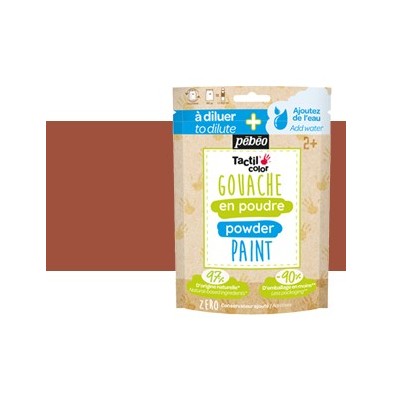
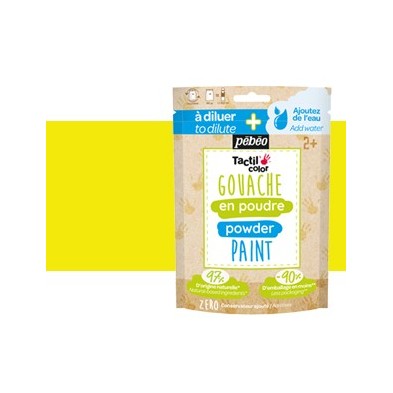
Totenart powder pigments come in 250 g bags (most of the Artist range), 500 g bags (zinc white, titanium white and three references from the Totenart TAT series) and 800 g to 1 kg bags (Studio range). Pebeo gouache powders, in 100 g bags, are in their own subcategory.