What is intaglio ink?
Intaglio ink is the ink used to print plates incised below the surface: etching, aquatint, drypoint, engraving or mezzotint. It is spread over the plate so that it fills the lines, wiped from the surface with tarlatan and the palm of the hand, and the pressure of the etching press transfers the ink held in the recesses onto the paper. That is why it needs a high pigment load and a balance between body and ease of wiping: it has to stay in the lines and wipe cleanly from the surface. Intaglio inks fall into two families of oil-based etching ink: traditional and water-washable.
Traditional oil-based etching ink
The classic intaglio ink, with an oil base. Charbonnel specifies clean-up with oil or solvent for its traditional ink, and Lefranc Bourgeois notes that traditional oil-based inks need solvent to clean the studio.
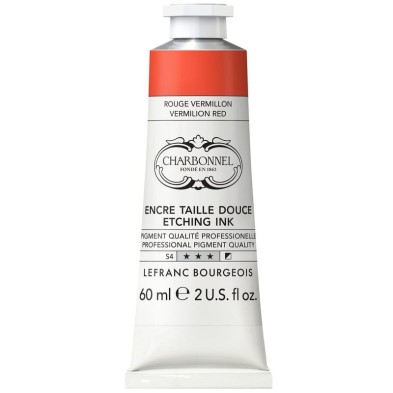
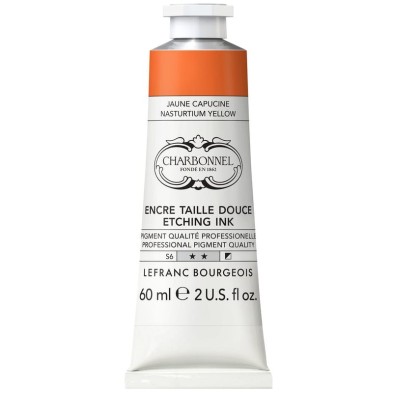
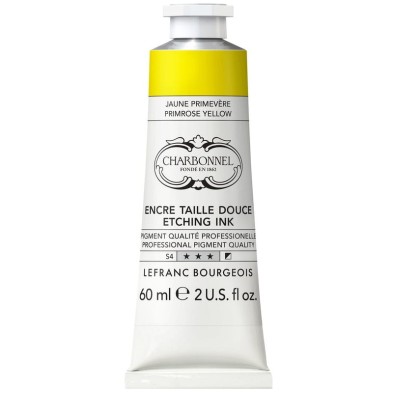
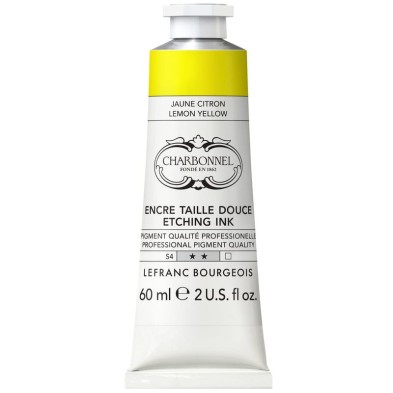
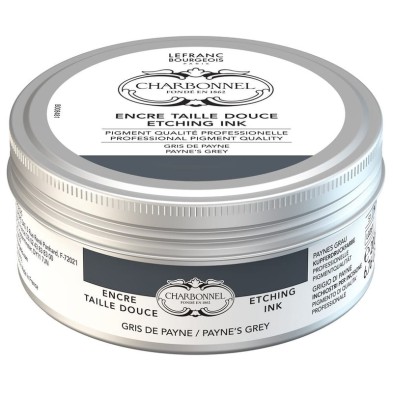
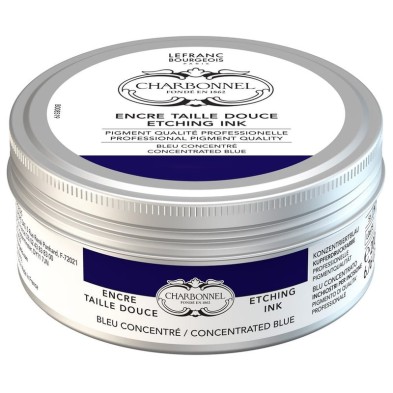
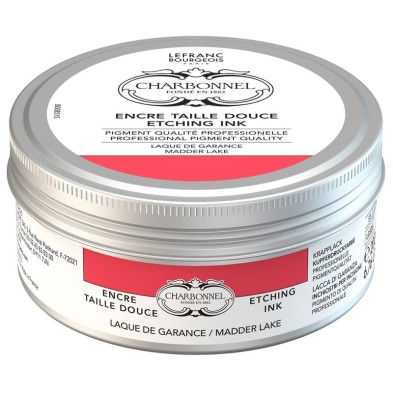
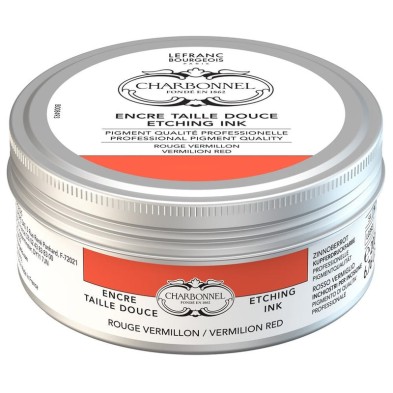
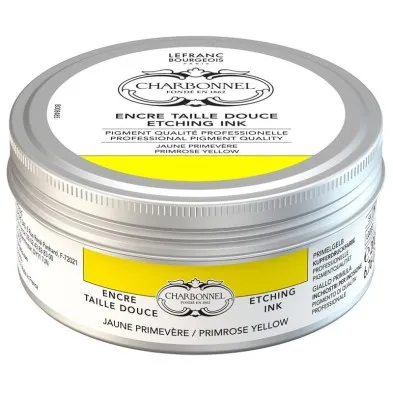
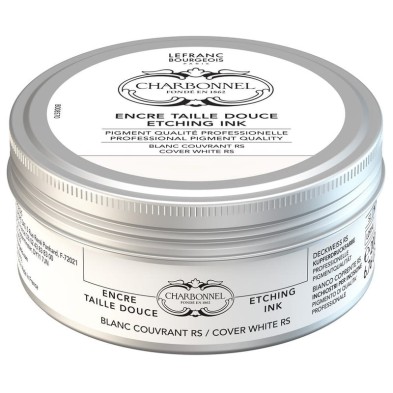
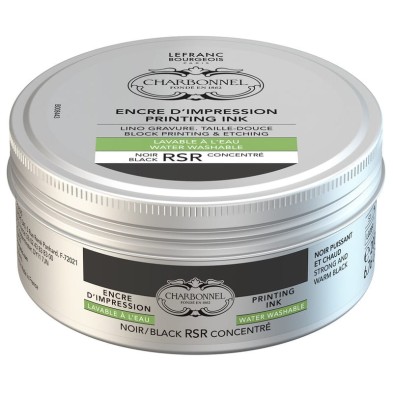
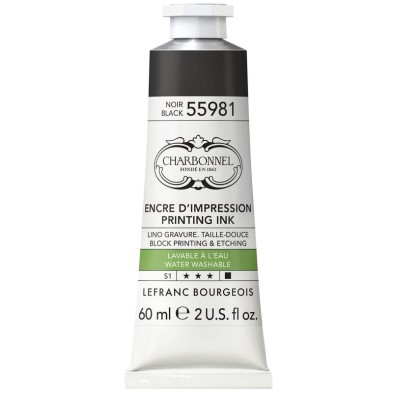
- Charbonnel inks: a French brand that presents itself as the benchmark for intaglio ink, now part of Lefranc Bourgeois. Its traditional ink is made in France with a linseed oil binder and no additives, and the maker's range runs to 54 colours, including two metallics and nine blacks. At Totenart it comes in 60 ml tubes and 200 ml tins, with several blacks in 800 ml.
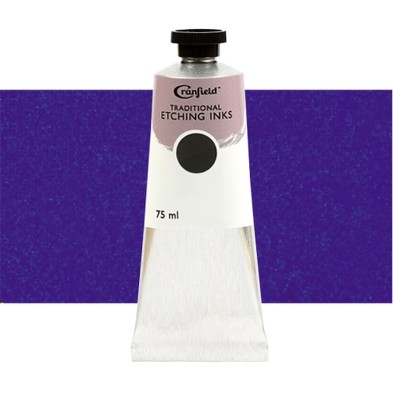
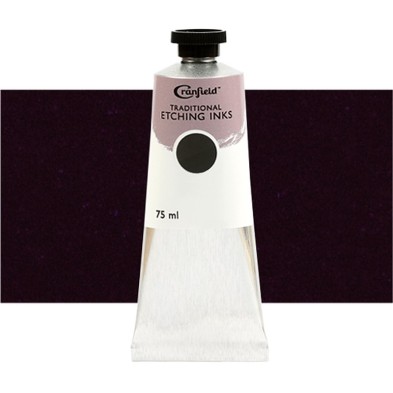
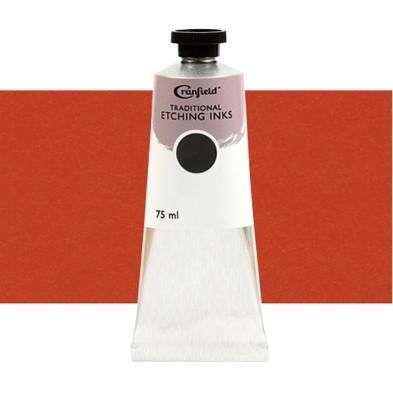
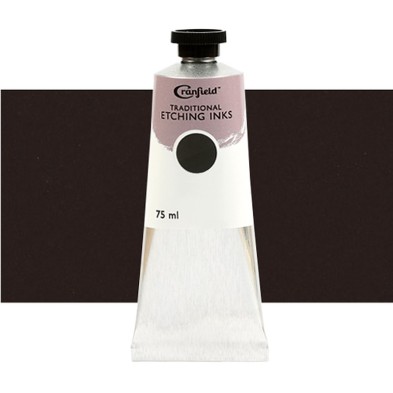
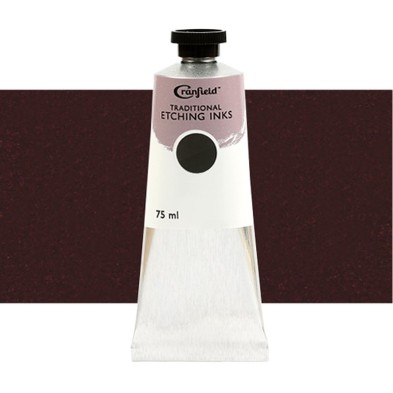
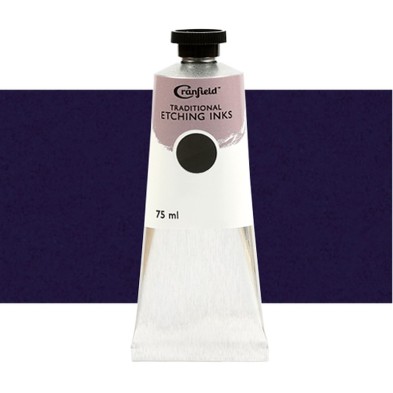
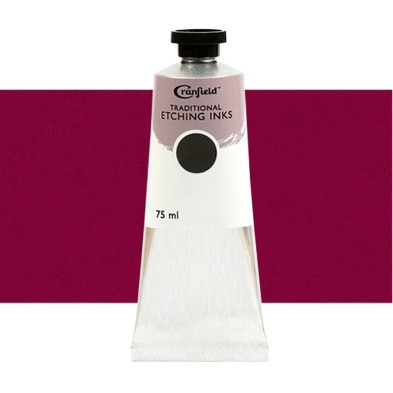
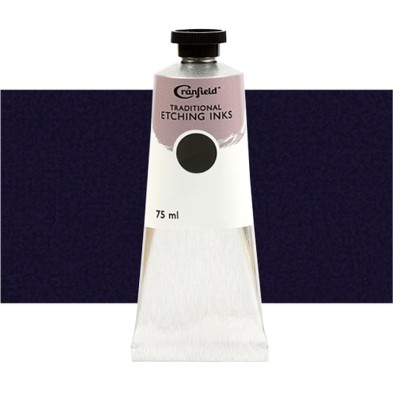
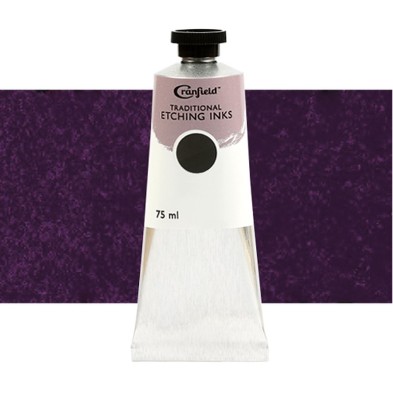
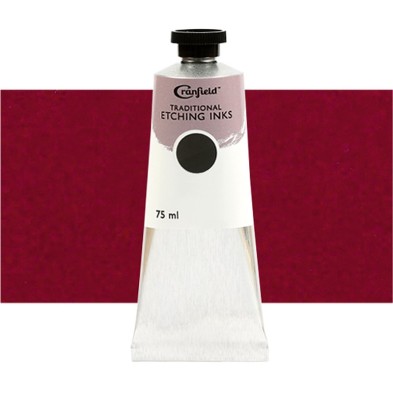
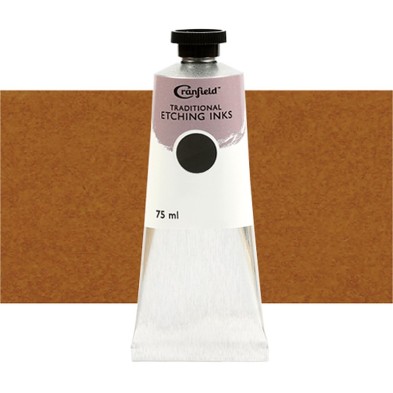
- Cranfield Traditional: inks handcrafted in Great Britain by Cranfield Colours, using historic formulations for all types of intaglio printmaking. 75 ml tubes, with Soft Black also in 250 g, 500 g and 1 kg.
- Totenart inks: our own-brand oil-based ink and our best-value range, in 150 ml and 500 ml, including fluorescents (pink, yellow, green and blue), gold, opaque white and a softening paste.
Water-washable etching ink
Inks that print like traditional ones but clean up with soap and water, with no solvents. They are the alternative for studios, classrooms or home workspaces where you would rather not use solvents. They are often described as solvent-free or eco etching inks.
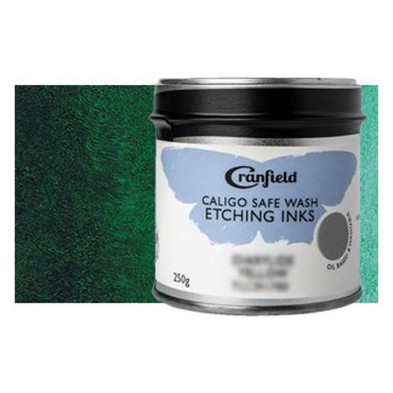
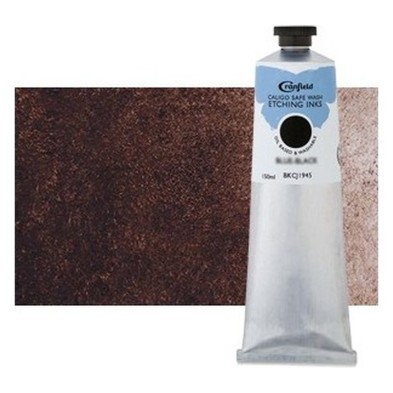
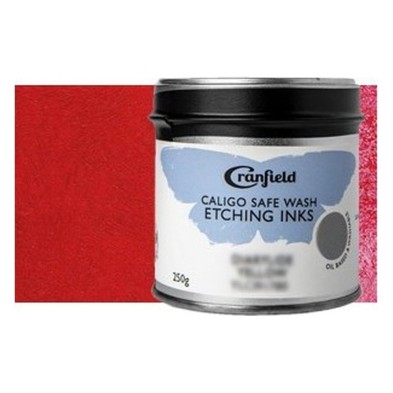
- Caligo Safe Wash (Cranfield Colours, UK): a linseed oil-based ink that cleans up with liquid soap and cold water alone. According to the maker it is highly pigmented, has good lightfastness (Blue Wool Scale 6 or higher) and is considered non-toxic under the ACMI AP seal. 150 ml tubes and 250 g and 500 g tins, plus transparent base, softening paste, drier, thinning oil and anti-skin spray.
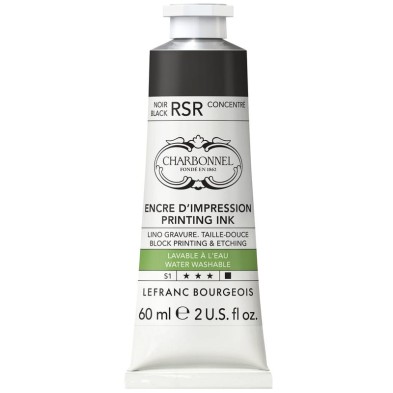
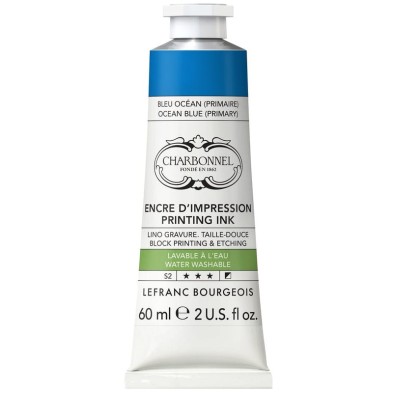
- Charbonnel Aqua Wash: Charbonnel's washable range, formulated with water-soluble oils and no added water, with a pigment load comparable to its classic ink. It cleans up with soapy water and, according to the maker, works for everything from intaglio to linocut, woodcut and monotype. 60 ml tubes, several blacks in 150 ml and 75 ml Aqua Wash oil.
- Akua Intaglio (Speedball, USA): a soy-based intaglio ink developed by printmaker Susan Rostow. It dries by absorption into the paper, not by evaporation, and contains no cobalt driers, so it does not dry on the plate or skin over in the jar. It is not water-soluble, yet it cleans up with soap and water, with no solvents. 237 ml jars, plus its own modifiers.
Intaglio inks compared: base, clean-up and sizes
| Range | Type | Base and clean-up according to the maker | Sizes at Totenart |
|---|
| Charbonnel traditional | Traditional oil | Linseed oil, no additives; cleaned with oil or solvent | 60 ml tube and 200 ml tin; blacks in 800 ml |
| Cranfield Traditional | Traditional oil | Historic oil-based formulations for intaglio printmaking | 75 ml tube; Soft Black in 250 g, 500 g and 1 kg |
| Totenart | Traditional oil | Own-brand oil-based ink | 150 ml and 500 ml |
| Caligo Safe Wash | Water-washable oil | Linseed oil; cleaned with liquid soap and cold water, no solvents | 150 ml tube; 250 g and 500 g tins |
| Charbonnel Aqua Wash | Water-washable oil | Water-soluble oils, no added water; cleaned with soapy water | 60 ml tube; blacks in 150 ml |
| Akua Intaglio | Water-washable soy-based | Soy-based; dries by absorption, no cobalt driers; cleaned with soap and water, no solvents | 237 ml jar |
Which etching black to choose
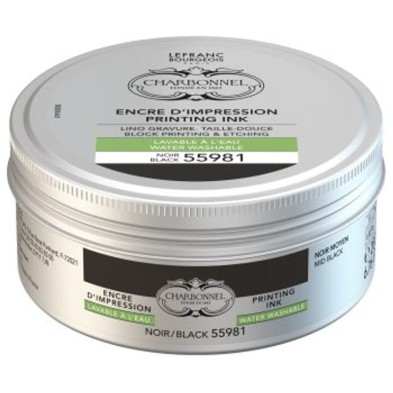
Black is the most common colour in intaglio and every black behaves differently. In the Charbonnel range, for example, black 55985 is very stiff and hard to wipe, cold, deep and slightly bluish, and is used to strengthen other blacks; 55981 is of medium intensity, easier to wipe than 55985 and more versatile. You can see all the blacks under Charbonnel inks.
Modifiers for etching ink
Transparent extender or medium increases transparency without losing body; thinning oil loosens an ink that is too stiff for inking up or wiping the plate; and drier speeds up drying.
Frequently asked questions about intaglio inks
What ink do you use for etching, drypoint or aquatint?
An intaglio etching ink: an oily, heavily pigmented oil-based ink that stays in the lines while the plate surface is wiped with tarlatan. The same ink works for etching, aquatint, drypoint, engraving and mezzotint. What changes with the plate is the consistency: Lefranc Bourgeois recommends a stiff, dense black to fill deep lines and a soft black for fine, shallow work.
What is the difference between oil-based and water-washable intaglio ink?
Both are oil-based inks and print in a very similar way. Traditional inks are cleaned up with oil or solvent, according to Charbonnel and Lefranc Bourgeois; water-washable ink, such as Caligo Safe Wash or Charbonnel Aqua Wash, is cleaned up with soap and water, with no solvents.
How do you clean up water-washable etching ink?
For Caligo Safe Wash, Cranfield advises removing excess ink with a rag or newspaper, applying liquid soap directly to the ink, working it in with a brush or sponge, wiping the ink and soap away with a damp sponge and rinsing with water. Use cold water, never hot, and do not use water alone without soap, as it leaves residue. Charbonnel Aqua Wash cleans up with soapy water.
Do you need to dampen the paper with water-washable inks?
Cranfield says Caligo Safe Wash can be printed on dry or damp paper, but recommends keeping the paper fairly dry with no surface water; dampening just the back with a sponge works well. Charbonnel says its Aqua Wash can be printed on slightly drier paper than its classic ink.
How long does intaglio ink take to dry?
Oil-based inks dry by oxidation. Charbonnel gives 2 to 3 weeks, depending on the colour, for its traditional ink, and says Aqua Wash dries in the same way as the classic range. Caligo Safe Wash dries like a traditional oil-based ink, already contains a small amount of drier, and drying can be sped up by adding more. Akua Intaglio works differently: it dries by absorption into the paper, not by evaporation, and does not dry on the plate.
What is an eco-friendly etching ink?
It is the usual name for oil-based intaglio inks that clean up with soap and water instead of solvents. Lefranc Bourgeois presents Charbonnel Aqua Wash as an ink made with water-soluble oils that cleans up with soapy water, and Cranfield describes Caligo Safe Wash as a washable, linseed oil-based ink for non-toxic printmaking. Both are still oily inks and print like traditional ones.