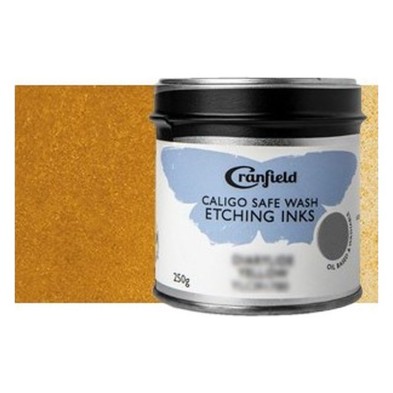
Caligo Safe Wash ink: oil-based, yet water-washable
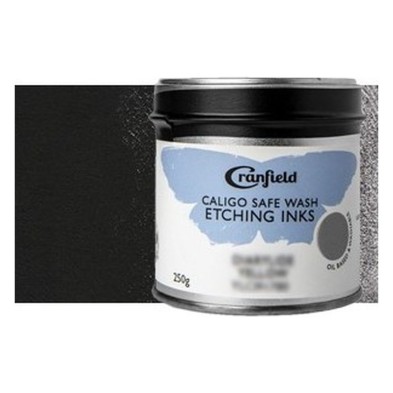
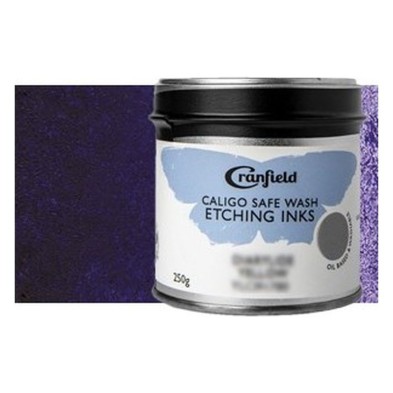
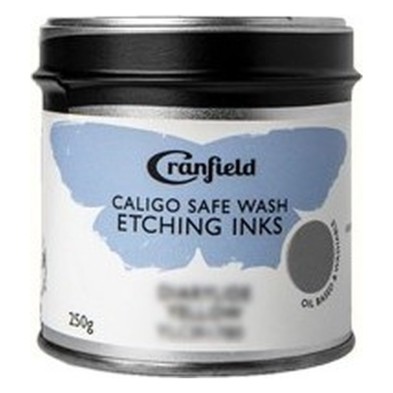
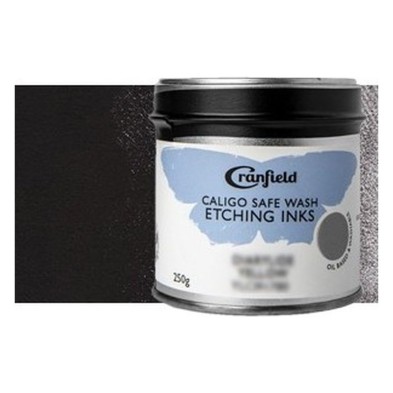
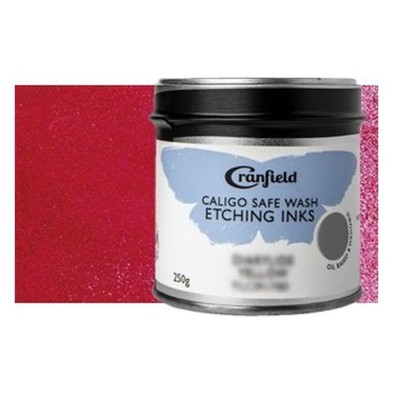
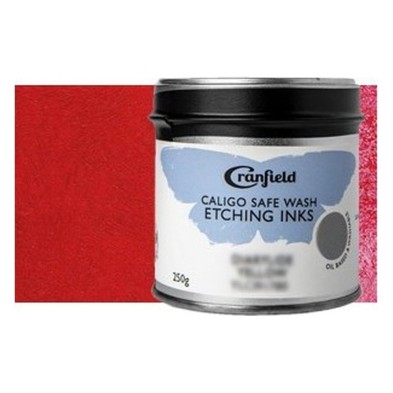
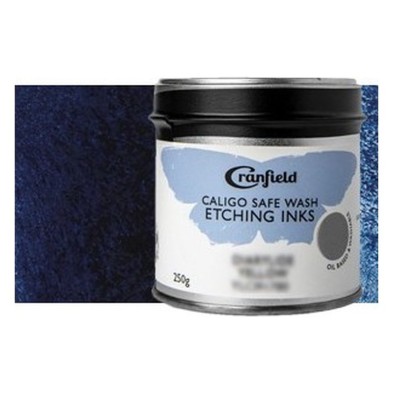
Caligo Safe Wash is the washable printmaking ink range from Cranfield Colours, a British maker that handcrafts its inks. The maker describes these as linseed oil-based etching inks that can be cleaned with soap and cold water, for all types of intaglio printmaking. They suit studios, schools and printmakers who want to give up solvents but keep working with an oil-based ink: this is not a water-based ink, and Cranfield states that it handles, prints and dries like traditional oil-based inks.
In Cranfield's words, the aim is to balance colour intensity with the ability to wipe cleanly from the plate, without compromising the wish to avoid solvents when cleaning up. The brand's traditional version, which does not dissolve in water, is Cranfield Traditional etching ink.
Colours in the Caligo Safe Wash Etching range
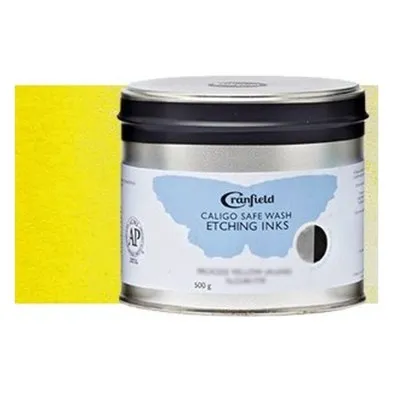
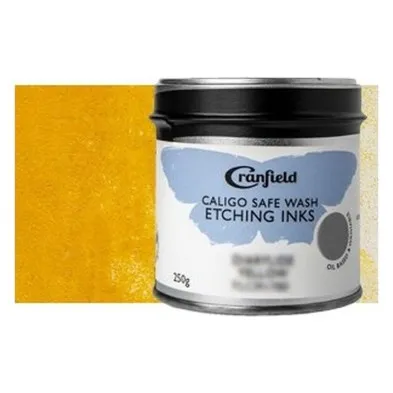
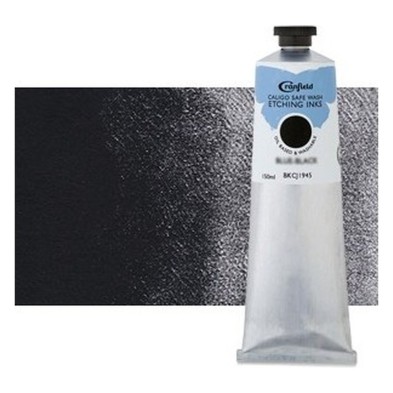
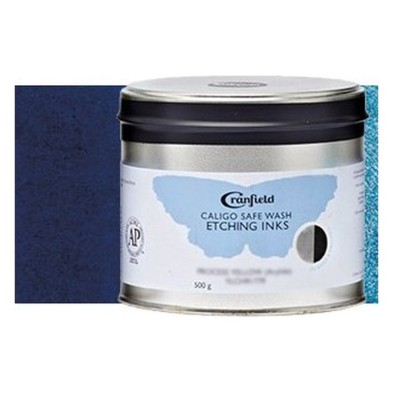
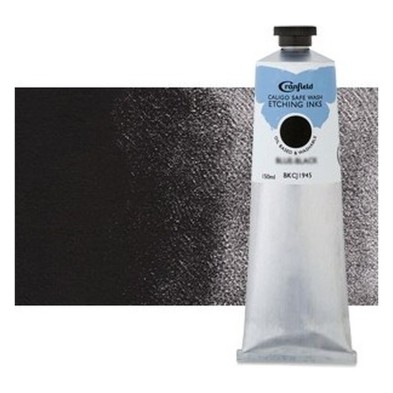
Cranfield's current chart has 16 colours plus the Extender: three blacks (Carbon Black, Brown-Black and Blue-Black), the three process colours (cyan, magenta and yellow) and ten more colours, listed in the table. According to the maker, all are rated 6 or higher on the Blue Wool Scale.
Caligo Safe Wash Etching colours: pigment, opacity, drying and lightfastness as given by Cranfield Colours
| Colour | Pigment | Opacity | Drying | Blue Wool Scale |
|---|
| Carbon Black | PBk7 | Semi-opaque | Average | 8 |
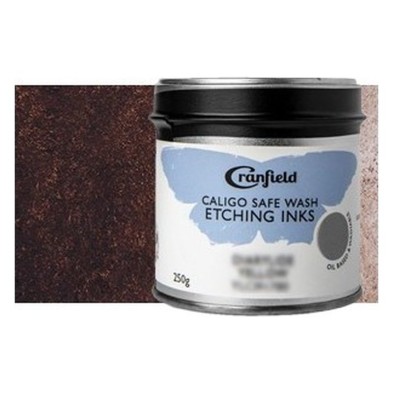
| Brown-Black | PBk7 + PBr7 | Semi-opaque | Fast | 8 |
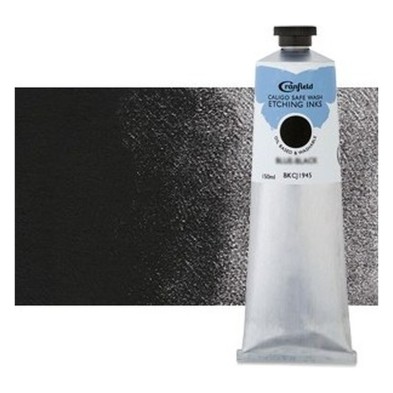
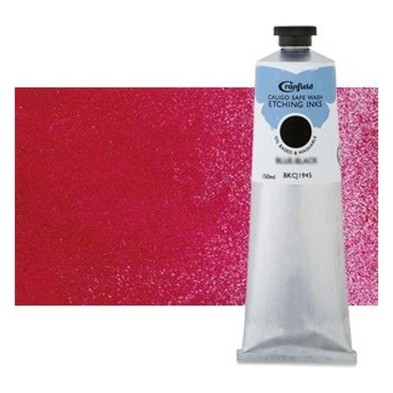
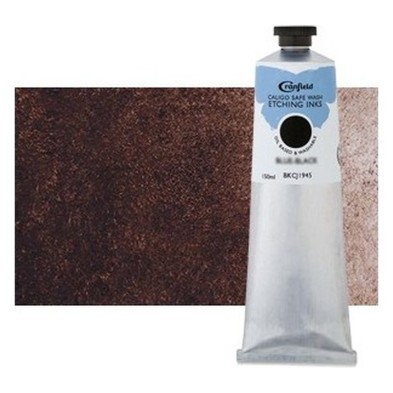
| Blue-Black | PBk7 + PB27 | Semi-opaque | Average | 8 |
| Process Blue (Cyan) | PB15:3 | Transparent | Average | 7-8 |
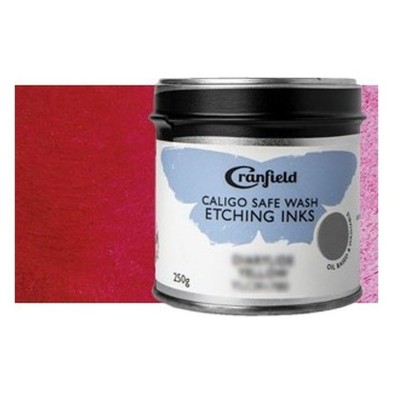
| Process Red (Magenta) | PV19 | Transparent | Average | 7 |
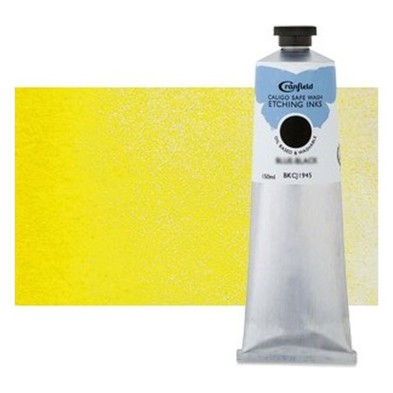
| Process Yellow | PY3 | Semi-transparent | Average | 6-7 |
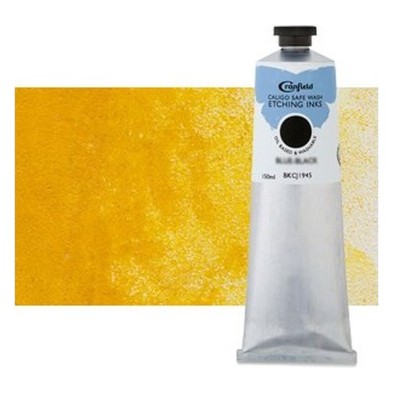
| Diarylide Yellow | PY13 | Transparent | Average | 6-7 |
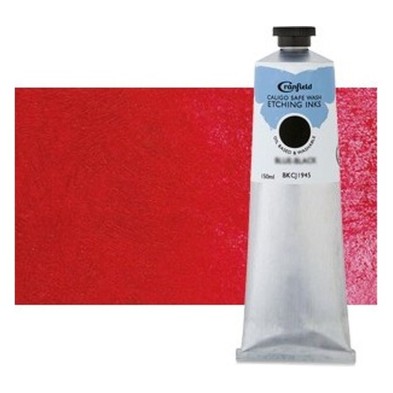
| Rubine Red | PR57:1 | Transparent | Average | 6 |
| Napthol Red | PR112 | Semi-transparent | Slow | 6 |
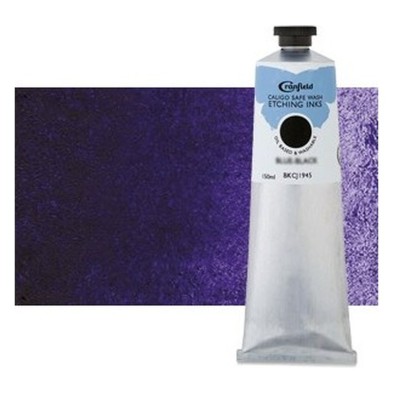
| Carbazole Violet | PV23 | Transparent | Slow | 7-8 |
| Ultramarine | PB29 | Transparent | Average | 7 |
| Prussian Blue | PB27 | Transparent | Fast | 7 |
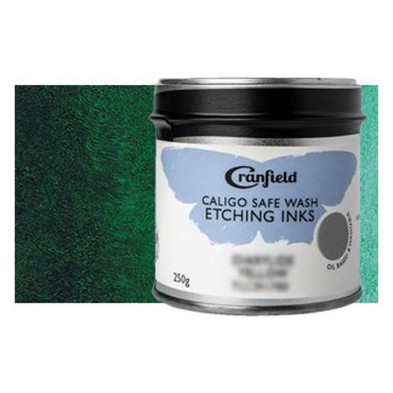
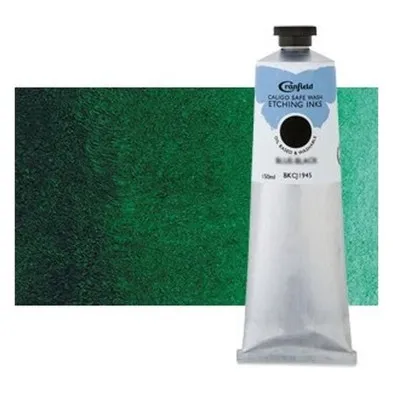
| Phthalo Green | PG7 + PY3 | Transparent | Average | 7-8 |
| Yellow Ochre | PY42 | Semi-opaque | Fast | 8 |
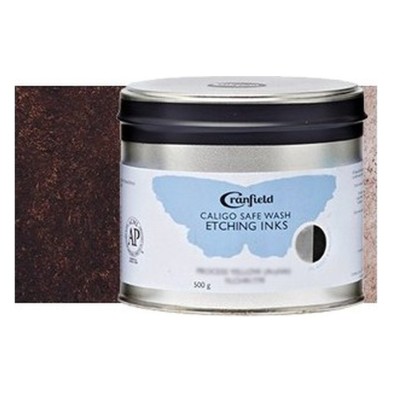
| Sepia | PBr7 + PY42 + PBk7 | Semi-opaque | Fast | 8 |
| Opaque White | PW6 | Opaque | Average | 8 |
| Extender (Transparent Base) | PW18 | Transparent | Average | 8 |
Most colours are single-pigment, which the maker says makes them excellent bases for vibrant colour mixes. The three process colours, mixed in varying proportions, give a range of blues, purples, greens, reds and oranges; add white, black and Extender for an even wider range of tints and shades. They can also be overprinted in transparent layers or used as a CMYK set with several plates. Because the inks are so highly pigmented, a little goes a long way: if opacity is an issue, Cranfield suggests improving light colours with a touch of Opaque White and dark colours with a little Carbon Black.
Paper and damping: printing with Caligo
Cranfield says the inks print on dry or damp paper, but recommends keeping the paper fairly dry, with no surface water on the paper or the plate; damping just the back of the sheet with a damp sponge works well. On paper, the maker's advice is to:
- Use dedicated printmaking papers. Watercolour papers carry an invisible size that makes them unabsorbent for oil-based ink, and ‘suitable for ink’ usually refers to liquid, water-based inks.
- Run a test before printing an edition on coloured paper: on black paper in particular, ink dries very slowly and needs a drier.
- Choose acid-free paper, as oil-based ink dries slowly in an acidic environment.
- Avoid papers with a high recycled content: their short, damaged fibres absorb and dry unevenly.
Adding transparency, thinning and faster drying
To modify the ink, Cranfield offers three auxiliaries of its own:
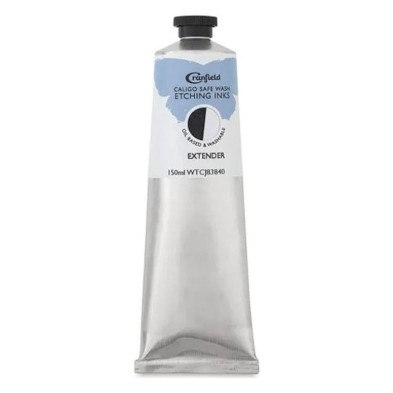
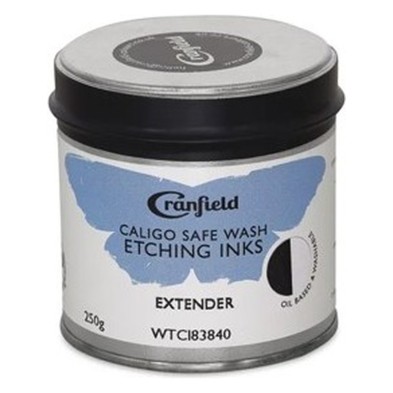
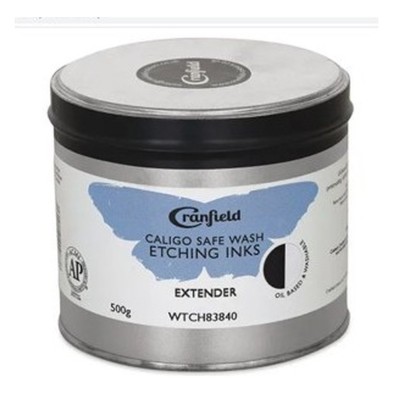
- Transparent Base (Caligo Safe Wash Extender): an ink just like the colours, made with a transparent pigment (calcium carbonate). It increases transparency and reduces colour strength while keeping the body of the ink.
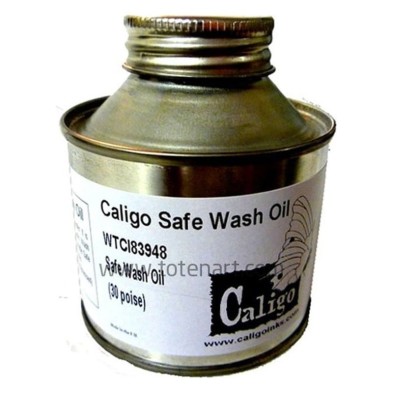
- Thinning oil (Caligo Safe Wash Oil): made with the same linseed oil medium as the inks. A small addition makes them thinner, more fluid and more transparent; Cranfield recommends it for monoprinting, carborundum and viscosity printing.
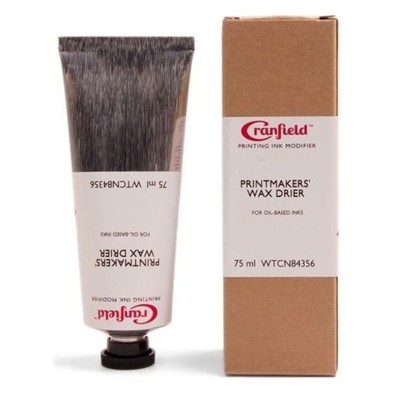
- Cranfield Printmakers' Wax Drier: a wax paste in a 75 ml tube, mixed into the ink on the slab with a palette knife. It speeds up drying and makes the finished print more resistant to rubbing. Caligo inks already contain a small amount of drier.
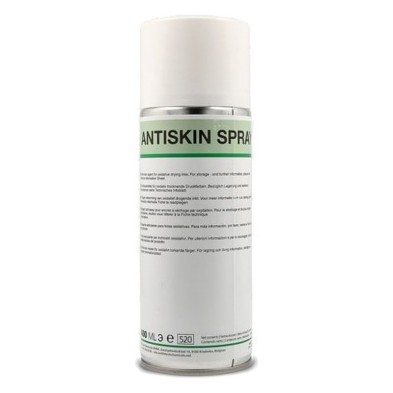
You will also find a softening paste and Antiskin spray in this category.
Step-by-step clean-up with soap and cold water
This is Cranfield's procedure for the plate and tools:
- Remove as much excess ink as possible with a knife or a dry rag, then with newsprint.
- Squeeze liquid soap straight onto the ink (liquid hand soap, washing-up liquid or laundry liquid; most brands work well) and work it in with a clean brush or a soft sponge.
- Wipe away the ink-and-soap mixture with a damp sponge or kitchen paper and rinse with fresh, cold water.
- If stubborn patches remain, reapply soap and work it in until the ink starts to lift.
- Dry all surfaces carefully before storage.
Always apply soap before water, and use cold water. A fairly dry rag gives ‘tooth’ to loosen the ink mechanically, whereas lots of soapy water is hard to keep on the slab: Cranfield suggests a window squeegee to clear it from the glass. Tarlatan (scrim) can be washed in soap and water and re-used once dry; cleaning rags, many times over.
When you finish, smooth the ink left in the tin, cover it with the protective disc and close the lid securely: according to Cranfield, this stops a skin forming. Keep tins and tubes away from direct sunlight and heat.
At Totenart, born in printmaking in Valencia in 1999, you can compare it with other brands in intaglio etching inks.
Caligo Safe Wash ink: frequently asked questions
Is Caligo Safe Wash a water-based ink?
No. According to Cranfield Colours, it is a linseed oil-based etching ink that cleans up with liquid soap and cold water, without solvents. That is why it handles and prints like a traditional oil-based intaglio ink. What changes is the clean-up: the ink emulsifies with the soap and is removed with water instead of solvent.
Does Caligo print like a traditional etching ink?
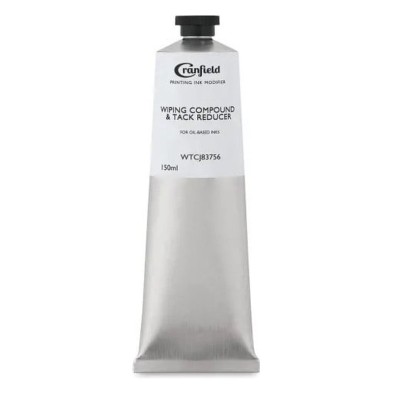
Yes, according to the maker: Caligo Safe Wash behaves like traditional oil-based etching inks, wipes cleanly from the plate and dries the same way, by absorption, oxidation and polymerisation. Warming the plate or adding wiping compound or plate oils is up to each printmaker. The main difference is the paper: Cranfield recommends keeping it fairly dry.
Why wash it up with cold water rather than hot?
Because, according to Cranfield, hot water opens the pores of the skin and can turn the emulsified ink into an unpleasant goo. The maker's procedure is to apply liquid soap to the ink first, work it in with a brush or sponge, and wipe it away with a damp sponge and cold water. Water alone, without soap, may leave ink residue.
Who makes Caligo ink?
Cranfield Colours, a British maker based in Cwmbran, Wales, which is why many shops list it as ‘Cranfield Caligo’. On Cranfield's website, the Caligo name covers its oil-based inks that wash up with soap and water: Caligo Safe Wash Etching, for intaglio, and Caligo Safe Wash Relief, for relief printing. Its traditional range, which does not dissolve in water, is Cranfield Traditional.
Is Caligo Safe Wash ink toxic?
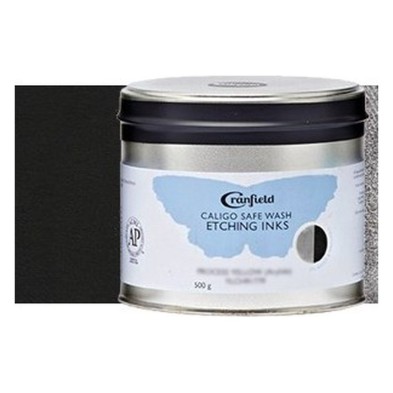
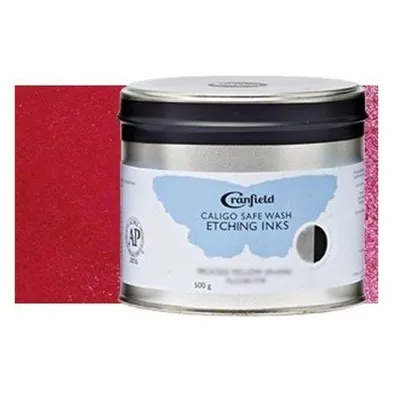
Cranfield Colours says its Caligo Safe Wash inks have been comprehensively reviewed by an independent toxicologist and are considered ‘non-toxic’ in accordance with the ACMI Approved Product (AP) seal. Its colour chart presents them as etching inks for non-toxic printmaking and solvent-free cleaning: they wash up with liquid soap and cold water.
How long does Caligo ink take to dry?
It dries like a traditional oil-based ink, and Cranfield gives no fixed time: it depends on the paper, ink film thickness, temperature and humidity. Thin layers, warm, dry, moving air, daylight and the brand's wax drier all speed it up. If you plan to overprint, do not wait too long: once dry, a layer is almost impenetrable to the next one.
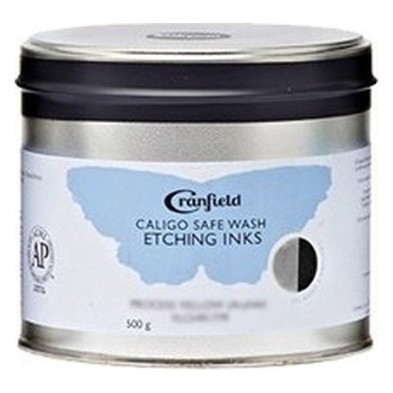
Caligo Safe Wash inks carry the ACMI AP (Approved Product) seal: according to Cranfield Colours, they have been reviewed by an independent toxicologist and are considered ‘non-toxic’.